Ariani Wartenberg
Ecology
UC Berkeley
I’ve always loved animals and being in nature, but am also deeply interested in human culture and stories. For a long time I couldn’t decide whether to become a biologist, an anthropologist, or something else. I studied environmental policy, spent a few years working in international development, then took a bit of left turn and embarked on a PhD on soils, biodiversity and smallholder cocoa farming. Now I’m a postdoc at UC Berkeley where I work on land-use change and ecosystem service impacts.
Ecology
UC Berkeley
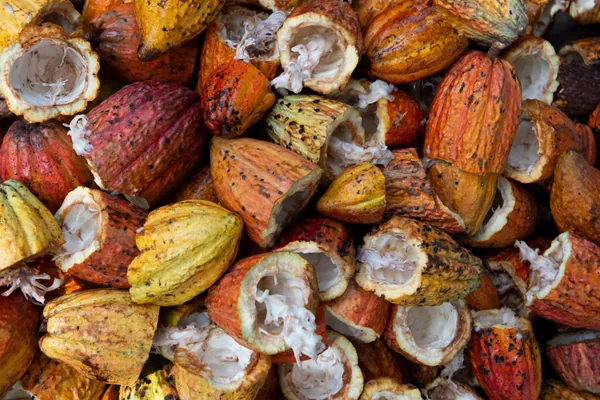
Many of us regularly consume chocolate, but may forget about the plant it comes from, Theobroma cacao, or cocoa. Cocoa can be grown in monocultures, which produce higher yields but are also more vulnerable to pest invasions and climate change. Alternatively, agroforests combine cocoa and shade trees; they may have lower initial cocoa yields but sustain higher levels of biodiversity and promote long-term ecosystem health and resilience.
When it comes to sustainability, smallholder cocoa cultivators in marginalized tropical regions are the ones making key land management decisions. Yet when deciding between cultivation options, cocoa farmers face frustrating trade-offs: should they prioritize short-term yield or long-term risk management and ecosystem health?
To study these factors, I traveled to Sulawesi, Indonesia, where some farmers address trade-off conundrums through a flexible approach, planting shade trees only in some parts of their cocoa fields. Their methods inspired a study which measured the influence of individual shade trees in cocoa farms. Individual shade trees improved soils in cocoa farms without necessarily decreasing cocoa yields. Our finding underscores the value of flexible cultivation approaches and could help cocoa farmers who want to transition towards more sustainable systems.