Machine learning can help maggots solve crimes
Trained algorithms can identify maggots and read clues like time of death

Entomology
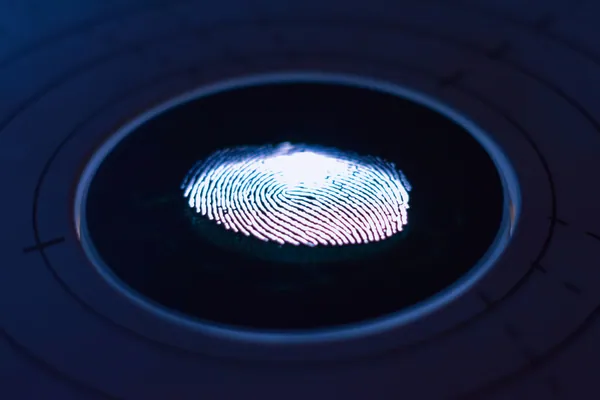
Maggots don’t have fingers, but they do produce chemical “fingerprints” — a blend of chemicals unique to their species. Different maggot species feed on corpses at particular stages of decay. Forensics teams actually use this information to estimate a person's time of death. The problem is that maggots, which are immature flies, are tricky to identify and rearing them to flyhood is time-consuming and expensive.
University of Albany researchers developed a machine learning technique to rapidly distinguish maggot species by their chemical fingerprints.
Because maggots collected at a crime scene are usually an assortment of many species, the team trained their computer program with mixtures of various combinations of six fly species. The researchers deciphered the chemical signatures of each maggot melange with a technique called mass spectrometry, which identifies chemicals on the basis of size and charge.
After teaching the program to recognize the chemical makeup of each training mixture, the researchers assessed whether it could identify “test” maggot blends. The program accurately identified most of the test samples, suggesting that this technique could help forensic detectives establish time of death, a critical clue for solving crimes. The results are published in a recent issue of Analytical Chemistry.
Skilled hermit crabs more likely to win battles over shell homes
There’s more to winning fights than brute strength in the animal kingdom
Entomology
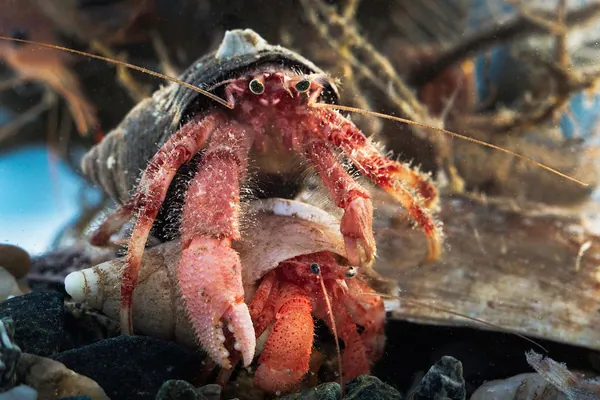
Hermit crabs are the renters of the crustacean world, making their homes in discarded shells of other sea creatures. But with high demand for shell real estate, hermit crabs often forcibly evict other crabs to seize a better-fitting shell.
During these battles, attackers repeatedly “rap” their shells against defenders, and those who rap most vigorously are more likely to win. But, just as the outcome of a boxing match depends not only on how many punches a boxer lands, but also on the skillful placement of these blows — researchers wondered if skill helps crabs win shell skirmishes.
To prompt conflicts between crab pairs, scientists from the University of Plymouth gave one crab (the attacker) an ill-fitting shell, whereas the other (the defender) received a perfect fitting one. They found that attackers who rapped on a particular area of the defender’s shell — the “sweet spot” — were more likely to win fights than those who rapped elsewhere.
To be evicted from their homes, losing crabs first have to release muscles that grasp onto their shells. The sweet spot suggests that attackers must accurately strike a specific anchor point to dislodge their opponent’s grasp, and victorious crabs may skillfully target this spot.
High-volume attacker rapping may also lead defenders to flee their shells. The team found that the number of raps was linked with proportion of raps to the sweet spot. This could mean that rapping in the sweet spot allows attackers to perform more raps (perhaps due to a better grasp of their opponent) or that accurate crabs also rap the most vigorously.
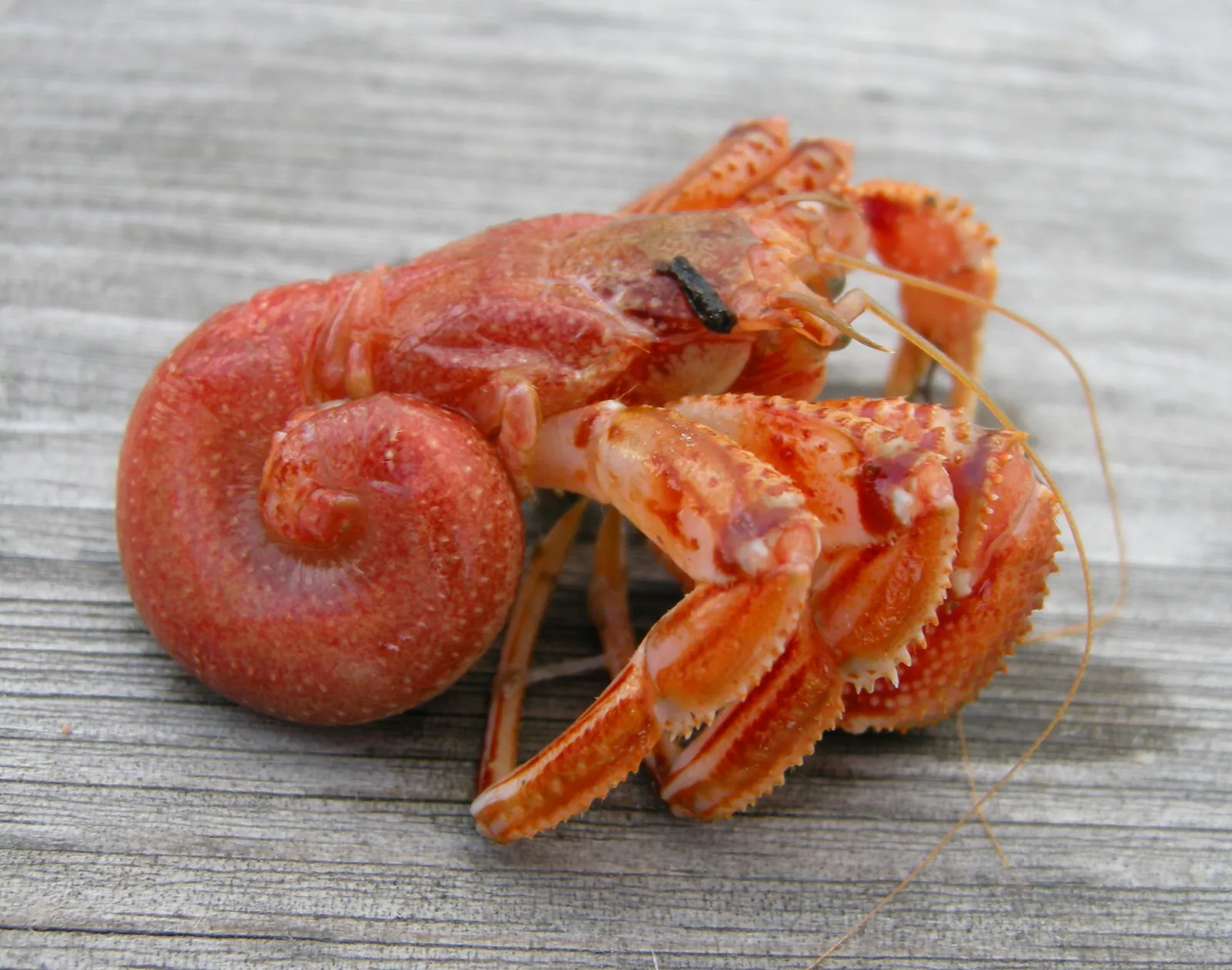
Shell-less hermit crab
In the animal kingdom, winners of battles over mates, food, and territory are often the biggest, strongest, and most heavily armed. But as champion boxers — and hermit crabs — show us, there’s more to winning fights than brute strength. Skill is important because it allows fighters to strike with greater accuracy and conserve energy. Spatial skills may give hermit crabs a competitive edge in shell real estate wars, and similar abilities could help other animals win conflicts too.