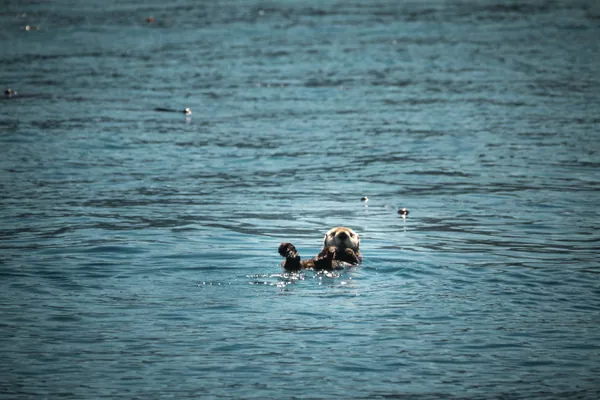
Reintroducing sea otters is good for the environment and the economy, and both matter
Read now →More sea otters are detrimental to fisheries income, but economic gains in other sectors outweigh these losses
More sea otters are detrimental to fisheries income, but economic gains in other sectors outweigh these losses
Understanding what climate change will do to belowground ecosystems helps us predict what will happen aboveground, too
The story behind the fungus in your dough

Biology
University at Buffalo
With us all spending a lot of time at home recently, many have picked up new hobbies, like cooking and baking. This has led to some of us becoming friends with Saccharomyces cerevisiae, a single-celled fungus known as baker’s yeast. This new friend may be tiny, but baker’s yeast arguably contends with dogs for the title of man’s best friend.
S. cerevisiae has been associated with human culture for thousands of years for its use in fermentation, a process used in making alcoholic beverages and baking. Biological research has progressed in many areas because this organism is so commonly used to understand cellular and molecular biology. For all that society uses S. cerevisiae, you have to wonder, where did the yeast come from?
Originally, researchers hypothesized its origin to be from China/Far East Asia after discovering wild yeast in primeval forests from that area. In a more recent study, researchers found more evidence supporting that origin story comparing the genome of the discovered wild yeast and known domesticated yeast.
The researchers compared 106 wild and 260 domesticated yeast strains by phylogenetic analysis, or comparing family trees based on DNA sequence. They saw evidence of reduced genetic diversity in the domesticated yeast compared to the wild lineages. This suggests a founder effect — when an entire population descends from only a few individuals of an original population. Finding this founder effect implies that originally yeast were domesticated in China/Far East Asia. After early domestication, the dispersal and diversification of those yeasts is hypothesized to have led to the massive global collection of all other domesticated strains that we use today. Further analysis with even more domesticated and wild yeast from all over the globe will help further support this hypothesis.
So the next time you’re in the kitchen with your new friend, let them know they have a place to call home.
Plastic pollution reaches new depths – and new guts
Biology
University at Buffalo
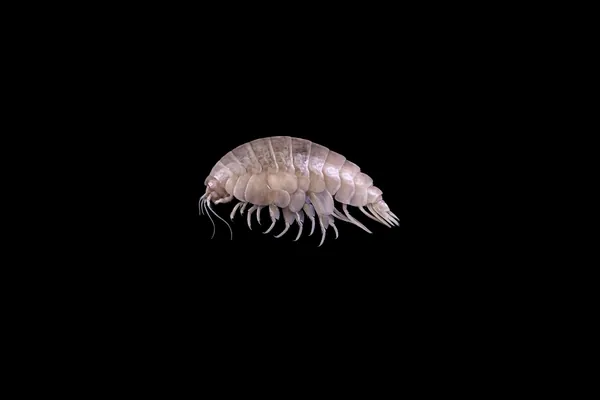
Johanna Weston, Alan Jameson - Newcastle University, WWF Germany, via Wikipedia
The deepest location on Earth sits below 6.8 miles of the western Pacific Ocean, deep enough to hold Mount Everest and prevent it from reaching the ocean’s surface. It is part of a 2,550 km (1580 miles) long trench, known as the Mariana Trench. At those depths it may seem a sanctuary from our plastic pollution. Unfortunately, that is wrong.
In November 2014, a group of scientists discovered a new species of crustacean within the Mariana Trench (pictured above). Crustaceans are a large class of organisms with an exoskeleton that includes lobsters, shrimp, crabs, and krill. Upon examining the organism’s body, scientists found a microplastic fiber in its gut. They named it Eurythenes plasticus to draw attention to the current plastic pollution crisis.
Microplastics are small pieces of plastic pollution in the environment that are less than the width of a pencil. Scientists have found them in every corner of the globe – even in the atmosphere and in arctic ice. Organisms like E. plasticus that feed on scraps are highly susceptible to ingesting microplastics from dead organisms and sediment. We’re not immune either. Alarmingly, microplastics can even work their way up the food chain and eventually reach us.
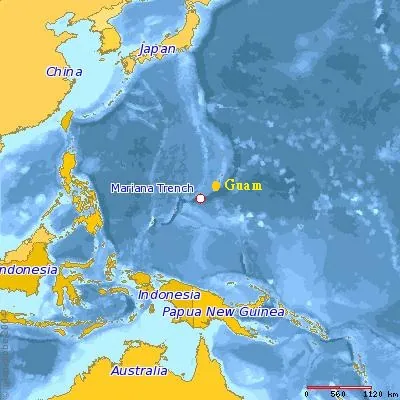
Mariana Trench, the deepest point on Earth
Wikimedia
This study adds to a growing body of research finding wildlife to be ingesting microplastics, including birds, whales, fish, and sharks. It is tragic that organisms in such remote places can be affected by humans before we have the chance to encounter them. Hopefully all these cases remind us to be more conscientious when considering the use of non-reusable plastics.
Changing interactions could lead to a decline in important ecosystem services like pest control
Biology
University at Buffalo
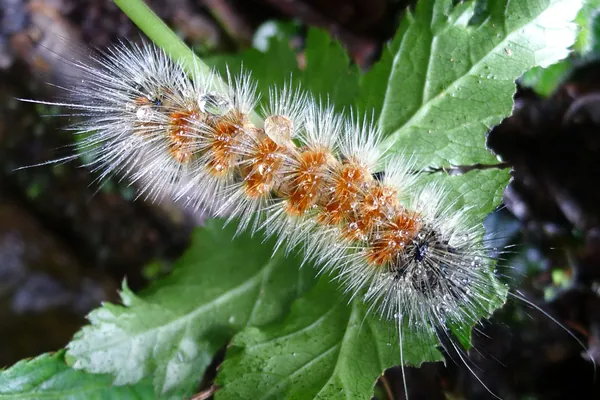
gailhampshire via Flickr
Assessing the impacts of climate change is essential for scientists who want to understand ecosystem dynamics. However, until recently, relatively few studies have linked climate variability to species interactions.
Researchers used data from 22 years of sampling at the La Selva Biological Research Station in Costa Rica to generate statistical models that measure changes in insect species diversity and richness and make future predictions. (Richness is a measurement of how many species are in a given area; diversity takes into account how many species there are as well as the number of individuals of each species.) Researchers looked at two types of insects: caterpillars and parasitoids. Parasitoids are a type of insect whose larvae live as parasites (usually in other insects) that eventually kill their hosts. These types of insects offer an important ecosystem service through species interactions by preventing outbreaks of herbivorous insects (like caterpillars) that can damage wild plant populations or crops in areas of agriculture.
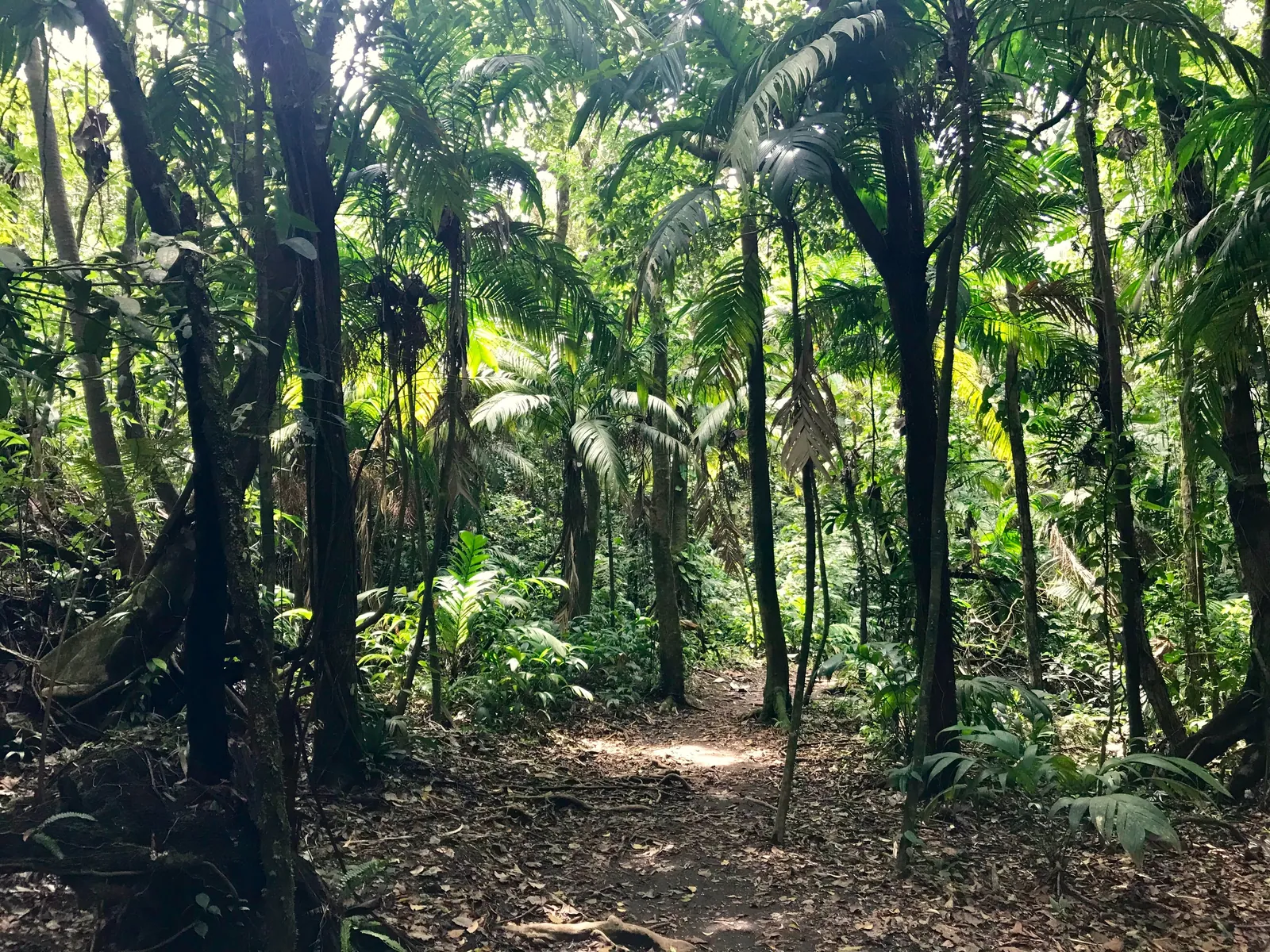
Photo by Tommy Krombacher on Unsplash
The researchers found that species richness and diversity has declined in both caterpillars and parasitoids. Results suggest that these declines are partly driven by climate change and weather anomalies such as extreme precipitation and episodes of warmer than average temperatures, which have been occurring at an increasing rate at La Selva. Alongside the decreases in diversity and species richness, there has been a decrease in the interaction richness between caterpillars and parasitoids. A reduction in parasitism means that there is less biological control over herbivorous caterpillar outbreaks, which decreases ecosystem stability. By extrapolating the data for the next 100 years, this study predicts there will be a 30% drop in parasitism (compared to the 6.6% drop seen over the 22 year study period). These findings support the hypothesis that climate change is contributing to insect species declines. Further research is needed to explore the impacts of declining species interactions.
The harmless practice of using parafilm to seal agar petri dishes containing the model organism, C. elegans, actually impacts larval development
Biology
University at Buffalo
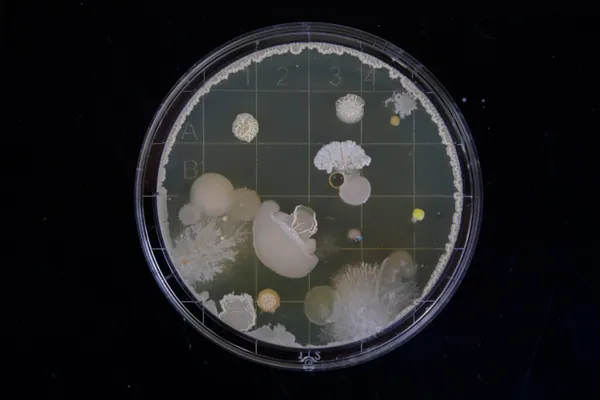
By Michael Schiffer on Unsplash
What if some of your common practices in the lab were actually having a significant effect on your results...and you just didn’t know about it? Recently, a group of researchers from Utica College found that the practice of using parafilm to seal agar petri dishes containing the model organism, Caenorhabditis elegans, actually has a significant effect on its early development.
C. elegans is a nematode and a well-established model organism which is often used to model various aspects of development. This organism is often grown on Nematode Growth Media (NGM) agar in a petri dish.
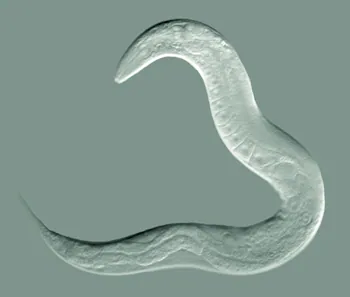
Meet Caenorhabditis elegans — a common model organism used in biological sciences.
NGM can sometimes dry out or become contaminated by microbes, so to prevent this, researchers often wrap up the petri dish with parafilm, the way you wrap up food containers with plastic wrap in the kitchen. This practice has been used for a long time, however, it has never been fully explored to see if it actually affects nematode development. In this study, researchers tackled this very question and investigated whether wrapping NGM agar plates with parafilm had an effect on larval growth and development.
In their study, the researchers found that both the larval growth rate and length change after 48 hours were significantly increased when the NGM agar plates were wrapped with parafilm.
Researchers also found reduced variability in growth among parafilm-wrapped replicates in this study. This echoes findings of a previous study which looked at the effects of parafilm on the model plant, Arabidopsis thaliana. Overall, this suggests that parafilm helps to create a standardized condition for measuring responses in model organisms.
Any researcher that uses parafilm as common practice with their organism should be aware of these possible effects and take the time to identify if this practice of wrapping up has any influence on their results. And in addition, perhaps there are other types of common practices out there that can affect results...that we just don’t know about yet.
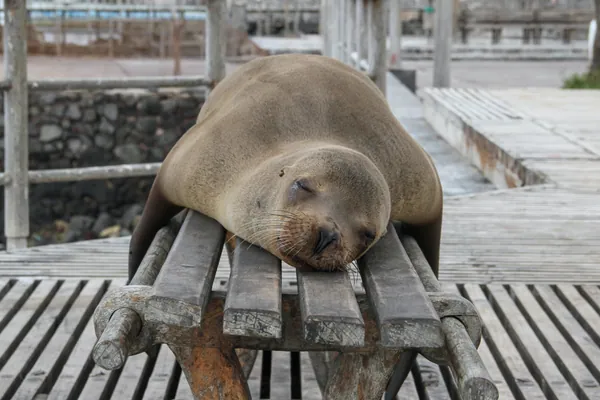
Shier pups exhibited more variation in their behavior, a sign of an ability to adapt
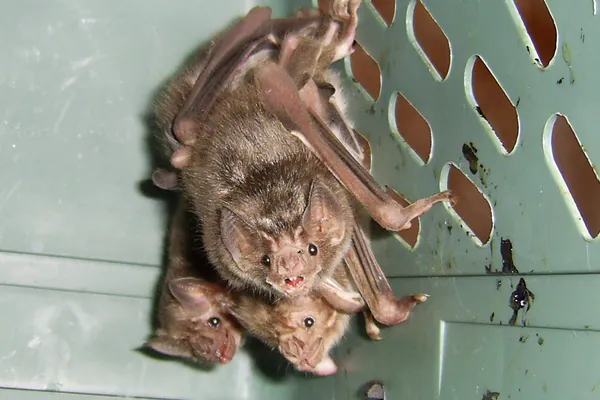
New research finds that bats care for their ill family members, but don't socialize as much with their sick friends
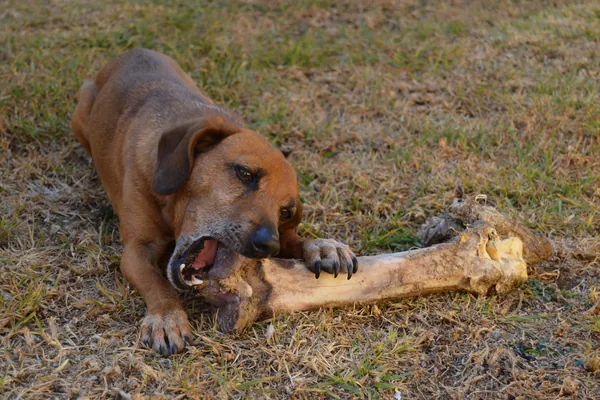
What dogs ate can reveal clues about 12,000 year old lifestyles