
Anastasia Gorelova

Molecular Pharmacology

University of Pittsburgh

Anastasia Gorelova is a Russian-born PhD candidate from the University of Pittsburgh studying cellular processes involved in cardiovascular diseases with a goal to improve existing drug therapies.

Anastasia has contributed to 1 report

You Are What You Meat

Anastasia has authored 8 articles

It's easy to overlook where our meat comes from

Read now →

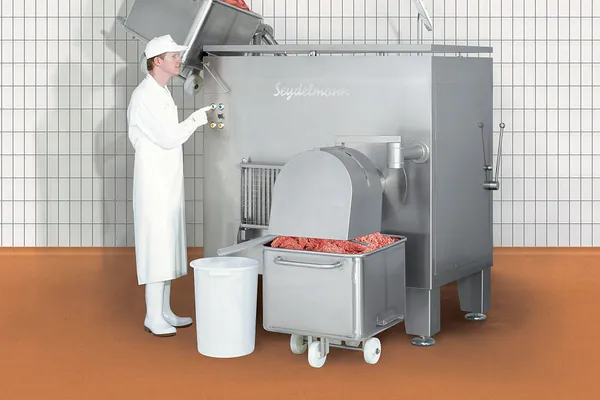
Inside the long, invisible supply chains transporting meat from slaughter to supermarket
Anastasia Gorelova, University of Pittsburgh

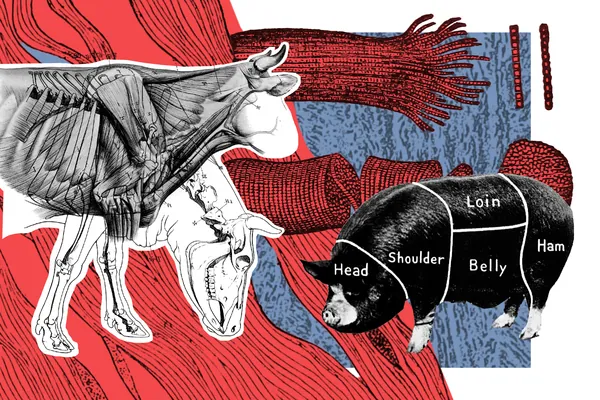
Mouth-watering flavor is harder to engineer than we hoped

Read now →

Cultured meat is making rapid advances, but there's still a long way to go

Anastasia Gorelova, University of Pittsburgh

I’m a Russian scientist. Why can’t Americans see past my citizenship?

Read now →

In my adopted home, I've found distrust divorced from the reality of my work

Anastasia Gorelova, University of Pittsburgh

Aging is not the inexorable process we thought it was

Read now →

Can we slow down aging and add decades to lives?
Anastasia Gorelova, University of Pittsburgh

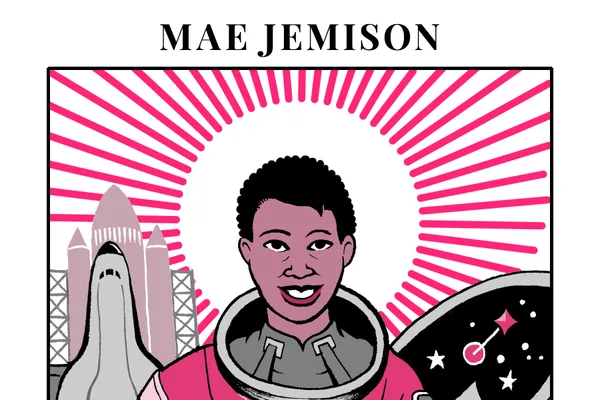
Five facts about Mae Jemison, doctor, dancer, and the first woman of color in space

Read now →

You know she went to space. But do you know which TV show inspired her to go?
Anastasia Gorelova, University of Pittsburgh

Why studies that rely too much on drugs often fail to hold up

Read now →

A pharmacologist argues that scientists shouldn't depend on pharmacological agents
Anastasia Gorelova, University of Pittsburgh

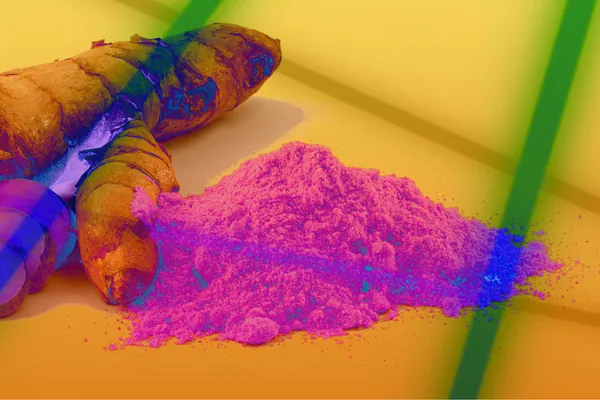
How turmeric became a naturopathic cure-all without the evidence to back it up

Read now →

Scientists and the media share a fair amount of the blame
Anastasia Gorelova, University of Pittsburgh

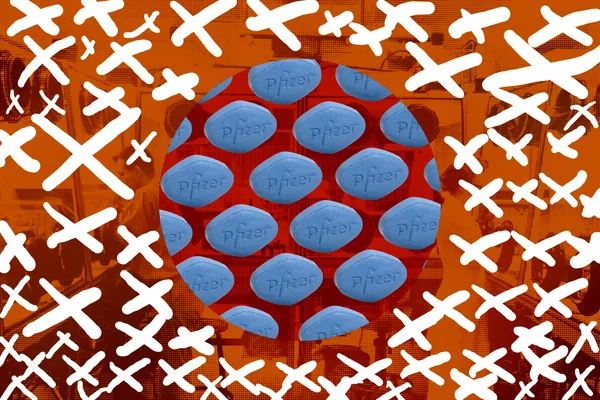
In science, failure can be a blessing. Just look at Viagra

Read now →

The little blue pill started life as a failed treatment for chest pain

Anastasia Gorelova, University of Pittsburgh

Anastasia has left Comment 1 peer comment

Could raising our body temperature treat depression?

Read now →

Hyperthermia could be more effective than anti-depressants, with fewer side effects

David Haggerty, Indiana University School of Medicine