How COVID-19's Delta variant upended the world's fall plans
Read now →The pandemic will end eventually, but it's going to take a while
The pandemic will end eventually, but it's going to take a while
DNA is compact and information-dense, making it the perfect material for data storage
The US CDC has identified five variants of concern. Research into how vaccines might handle each is ongoing
National health care systems will make things more organized, but the US is still finding its footing

The best way forward is to use quality research to shape policy
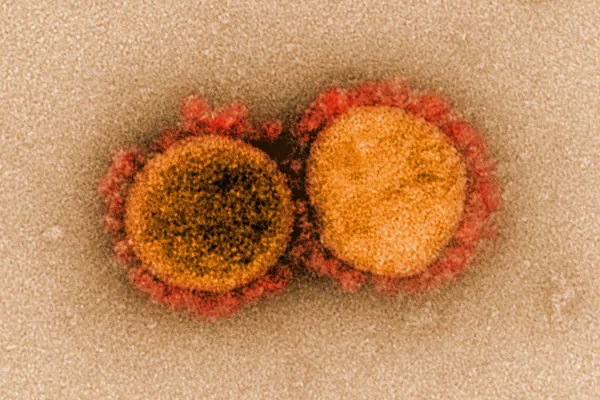
Which is all the more reason to continue strengthening policy and public health responses

We need swift, strong measures and protection for our healthcare workers

Broad, sweeping restrictions could do more harm than good
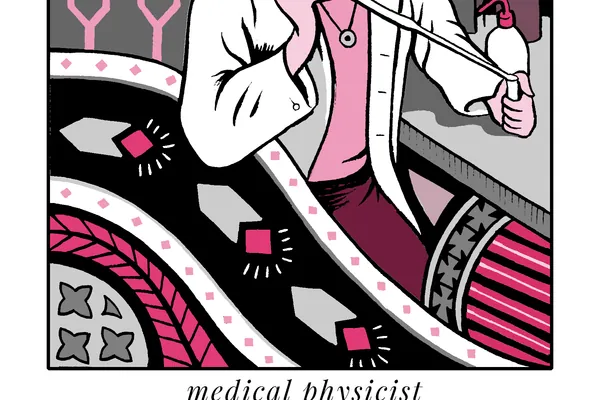
Her radioimmunoassay technique enabled scientists to measure hundreds of trace biological substances for the first time
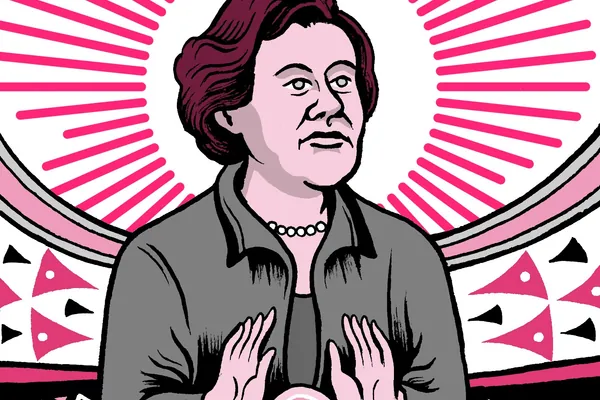
She didn't have a paid professorship until three years before her Nobel prize
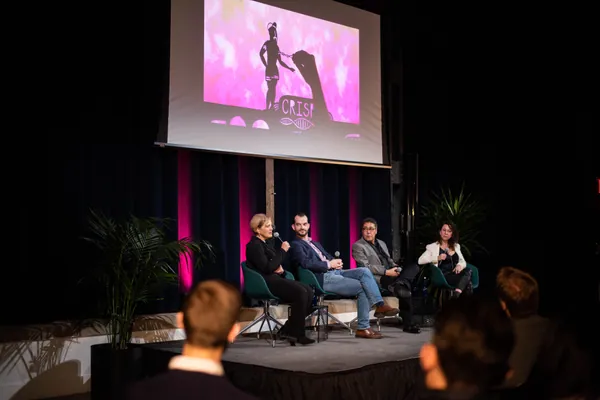
Who has the answers to the questions posed by genetic modification?
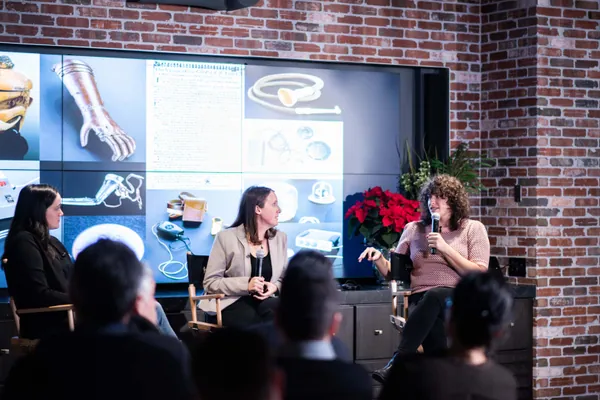
Is there a difference if the tool is in our hand or if it is an implant in our brain?

The brain chemical associated with reward also seems to distort our perceptions
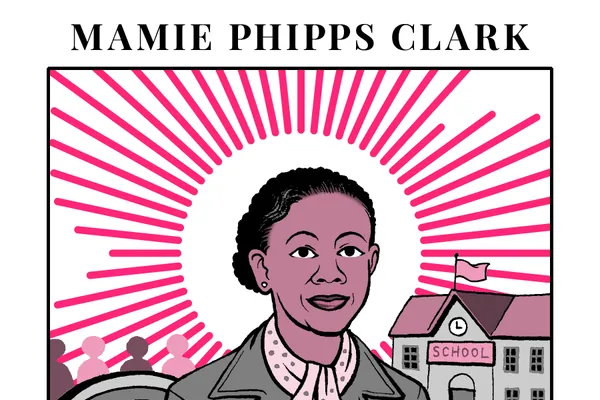
She became the first black woman to earn a PhD in psychology from Columbia University
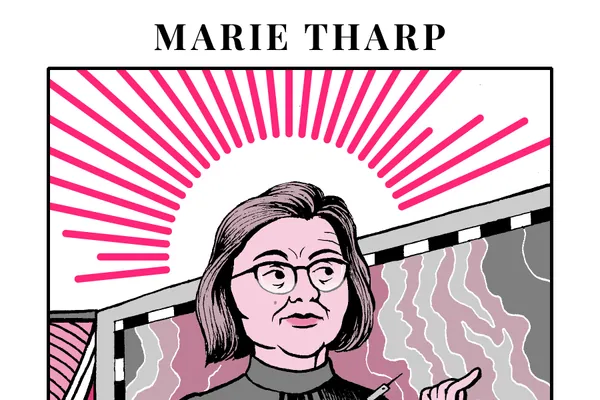
She discovered the Earth's 'backbone' even though men wouldn't let her on a ship for 17 years

New research seems to resolve a puzzle of why plants struggled in the past
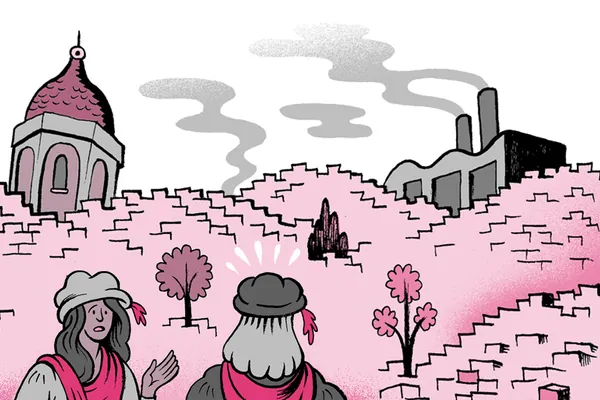
A comic about the problems with the -omics, illustrated by Matteo Farinella
Understanding where mutations come from is key to fighting the disease.
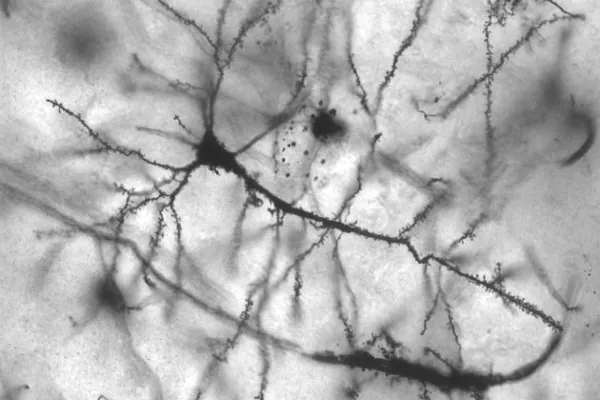
Neuroscientist Emily Lowry’s ongoing research on how and why nerve cells die has implications for Alzheimer’s, ALS and beyond.

Public Health
Columbia University
Neuroscience
Columbia University
Pathology
Columbia University

Bioethics, Public Health, and Biochemistry
Columbia University
Do you represent this institution? We'd love to work with you!
Contact us to discuss partnership and training for your researchers!