To save the reefs, save the trees and the soil they grow in
Read now →Soil from the surface can smother reefs. A new study creates a map of corals most susceptible to runoff from land
I am a tropical forest ecologist and PhD student at Wake Forest University. I currently study the disturbance ecology of tropical montane forests, which means I spend a lot of time scrambling up landslides in the Peruvian Andes! My work is important for understanding the structure, composition, and functioning of these dynamic forest ecosystems.
Soil from the surface can smother reefs. A new study creates a map of corals most susceptible to runoff from land
The multiplayer game tests conservation strategies for farmers interacting with elephants in Gabon, but its lessons reveal a need for human equity

Those who control vast sums of money could easily fund real changes and simply choose not to
The National Geographic Explorer and NASA scientist spoke with Massive on how imaging environmental change can change minds
"All We Can Save" doesn't shy away from doom or hope, encompassing the enormity of climate change

Though created by accident, her story fit neatly with burgeoning 20th century feminism
But their success in the past likely won't repeat itself now that ice is melting again

She wasn't allowed to work at remote field sites, so she became the expert in her local rocks and fossils
Simulating alkaline environments from 3 billion years ago showed formation of precursor cells is possible
U.S. exports of soybeans to China have dropped dramatically. Brazil is stepping up to meet Chinese demand — and burning vast areas of the Amazon along the way.
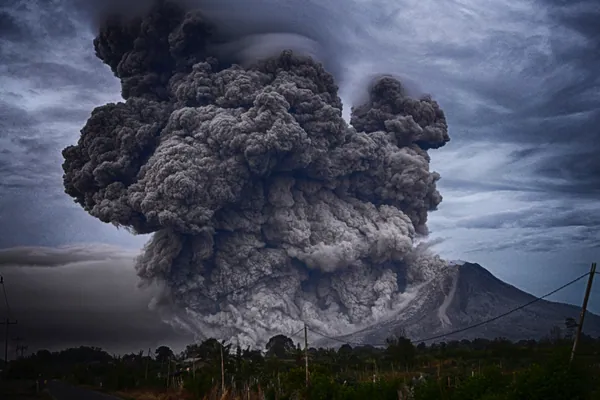
Volcanoes blanketed by tropical rainforests are a natural laboratory to study climate change
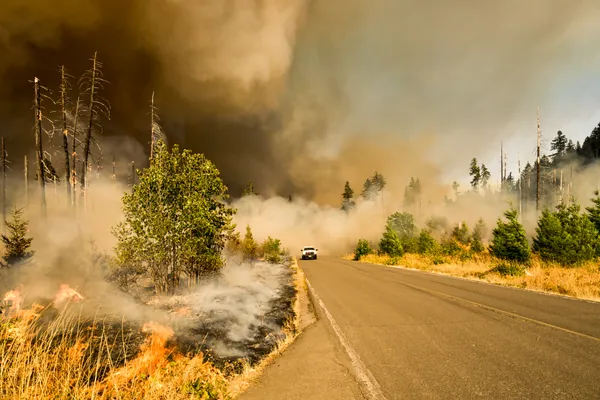
Radical, wholesale change is needed right this second and cannot be delayed
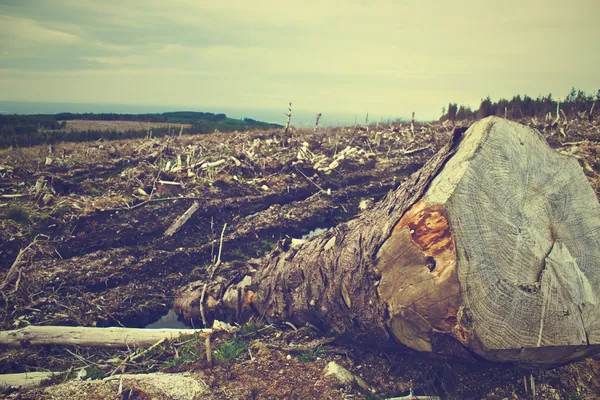
Dark money foreign investments may bankroll deforestation and overfishing
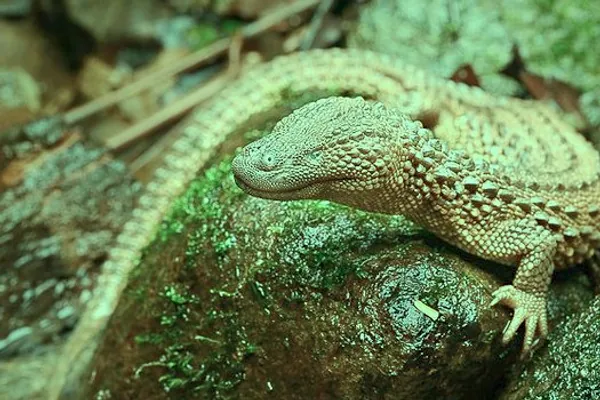
Rachel Love Nuwer explains how and why illegal trade threatens to wipe some of our planet's most charismatic animals off the map forever
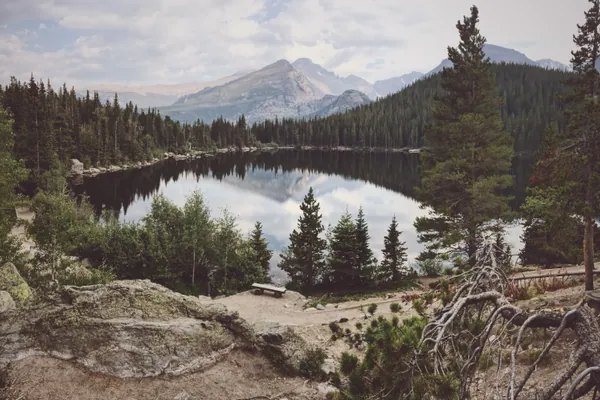
There are some things it's impossible to discern without ground truthing
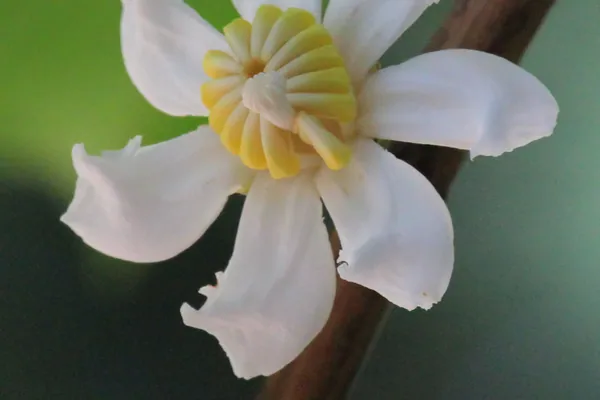
The mountain apple's entry into Indonesia a century ago still threatens biodiversity there
Prioritizing data over action can be counterproductive – but so is a muddled message
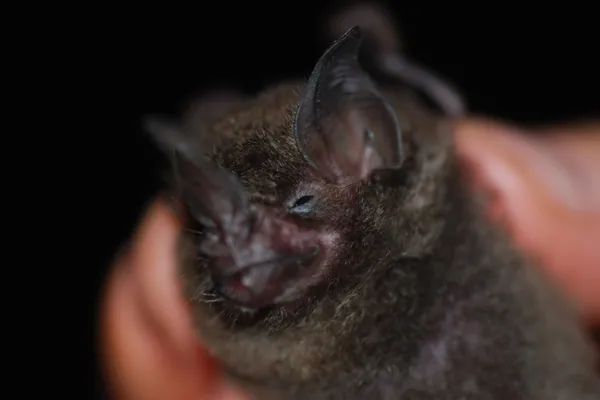
Bats are the canaries in the Amazonian goldmine
In six days, players collected as much data as naturalists had in 400 years
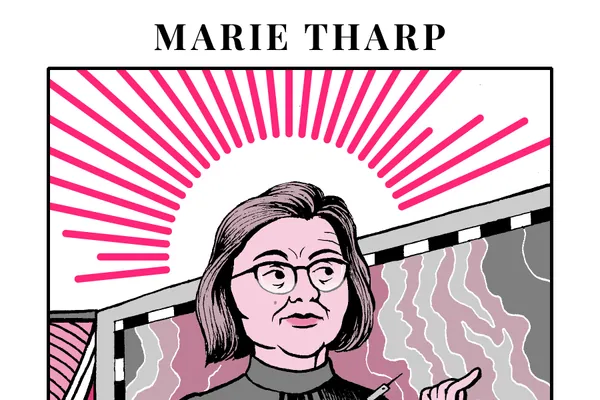
She discovered the Earth's 'backbone' even though men wouldn't let her on a ship for 17 years
It's not just flatulent cows
Here are five practical ways to start fixing the problem

Afraid of lions by moonlight and raptors by day, animals will behave in dramatic ways
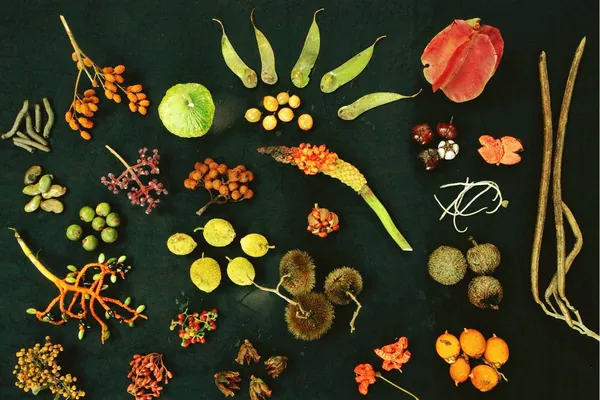
Why researchers are starting to think differently about biodiversity
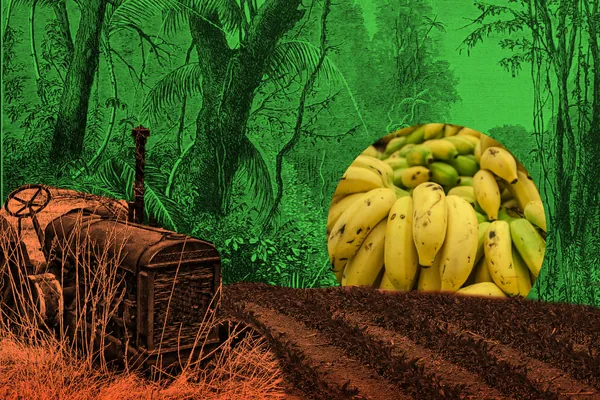
There's a growing body of evidence that humans have been modifying tropical forests for over 40,000 years
Germany has experienced nine flood-rich periods in the past 500 years, but this one is different
Ecology
Wake Forest University
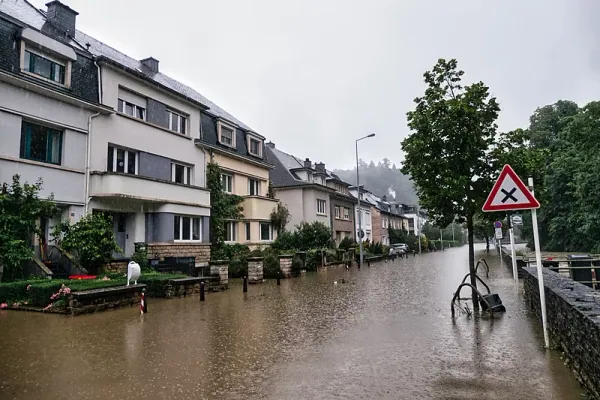
Late last week saw Germany's deadliest natural disaster in nearly 60 years, as severe flooding hit the nation and other parts of Western Europe. As of July 19th, the floods had killed 200 people and injured 700. About 1300 people were still missing from just the Ahrweiler district near Cologne.
The floods were caused by an extreme rain event, where nearly twice the amount of rain that the region usually sees in a month fell in just two days. This disaster should drive home the point that climate scientists have been frantically trying to communicate: Climate change is happening now.
There may well be more floods to come. A paper published in Nature last year examined flood data for Europe from the past 500 years. The scientists, members of 34 different research groups, found that the past 30 years belong to one of the most flood-rich time periods in Europe, one of just nine such periods over the past five centuries. They also discovered that, while the previous eight flood-rich periods occurred during relatively cold periods, the most recent one is markedly warmer (by about 1.4 °C) than all of the others.
While the researchers did not explicitly attribute this current flood-rich period to climate change, they did highlight its "exceptional nature." As environmental journalist Andrew Revkin pointed out on Twitter, the reason this flood-rich period is so dangerous is that Europe is more developed and populated than it was over the past five centuries. Eighty-three million people live in Germany alone, and while the monetary damage has not yet been calculated, only about 45 percent of buildings are the country are insured against rain and flooding.
The flooding is also a reminder that climate change is affecting, and will continue to affect, the whole world. Yes, even the Global North. Everywhere. For instance, while the German floods have dominated the news, Oman is also seeing unseasonable rainfall and flooding that wiped out farmers' crops and disrupted the Eid Al Adha holiday.
We are currently way behind fighting climate change on all fronts. It is clear, though, that we have two main and urgent tasks ahead of us: mitigation and adaptation. The impacts of climate change are already deadly serious – let's get to work.
Wind, and not temperature, is the biggest determinant of where it lives (and where it does not)
Ecology
Wake Forest University
At the beginning of 2019, a group of 14 researchers led by biologist Brian Buma from the University of Colorado-Denver, made the days-long journey to Isla Hornos in the Cape Horn archipelago, near the tip of southern Chile. Their goal? To lay eyes on the southernmost tree in the world.
Their trip was not simply another expedition documenting life at the world’s extremes: the data they collected is important in understanding what environmental factors limit plant life on earth. Their findings have recently been published in the journal Ecography.
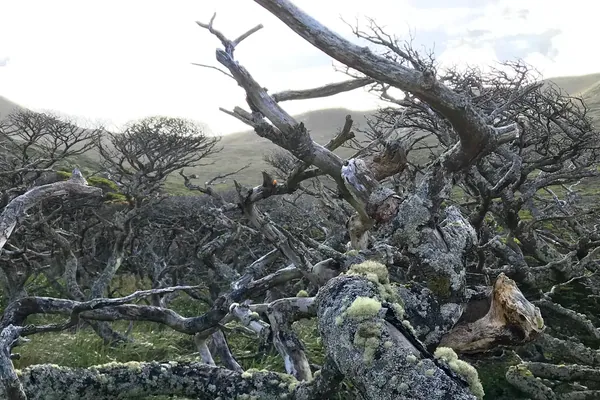
The expedition team surveyed trees across Isla Hornos, a craggy island just nine square miles in size. Their approach to surveying its plant life was similar to methods used by forest ecologists around the world: they identified and measured trees, and took wood cores from them to determine their ages. But in contrast to tropical forests, which can have well over 500 species of tree per hectare, just three types of tree can be found on Isla Hornos. And, because the wind that whips across the island is so strong, the trees there grow horizontally instead of vertically.
Most of the island was treeless, so the researchers found picking out the southernmost tree to be fairly easy. This record-holder is a 42-year-old Magellan’s beech tree (Nothofagus betuloides). It is just 57 centimeters tall – a little above knee-height – but stretches two meters horizontally. The wood core data told them that this tree was much younger than the trees in the more forested areas, which were over 100 years old.
From the wealth of data they collected during their expedition, the researchers concluded that at these southernmost reaches of the planet, trees are limited more by wind exposure than by temperature. This is unlike other treelines around the world. But similar to other trees, those on Isla Hornos will change as Earth’s climate does. The island is already one of the windiest places in the world, with wind speeds topping 72 kilometers per hour (~45 mph).
Isla Hornos is projected to get even windier with climate change. If that happens, someday the world’s southernmost tree might not quite be so far south — the record-holding Magellan beech will die and the treeline's edge could contract to the north, where there is protection from other trees. And, given that the National Geographic staff writer that accompanied the research team, Craig Welch, noted that they “hiked and camped through gales that knocked us down,” I wonder if biologists will even be able to get there to see it.
Photographer Wilson 'Snowflake' Bentley took the first picture of a snowflake in 1885
Ecology
Wake Forest University
Wilson Bentley on Wikimedia Commons
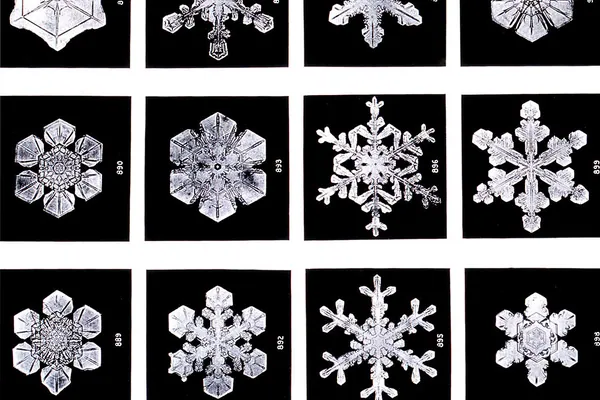
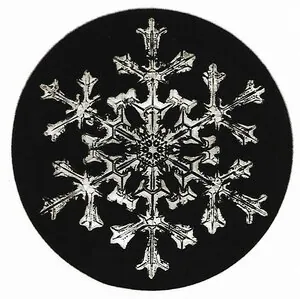
You have probably heard that no two snowflakes look alike. But, how do we know that? You can, in part, thank Wilson 'Snowflake' Bentley.
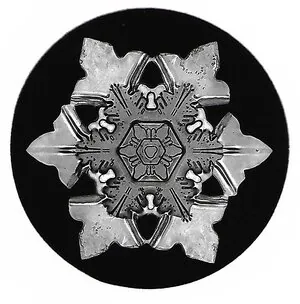
Bentley was the first person to ever photograph a snowflake, which he did at his home in Vermont (now listed in the National Register of Historic Places) in 1885. He described these flakes of frozen water as, "tiny miracles of beauty."
We agree. Check out some of Bentley's stunning photos below.

Wilson 'Snowflake' Bentley photographing snowflakes
Wikimedia Commons (Public domain)
Wilson Bentley courtesy of Jericho Historical Society
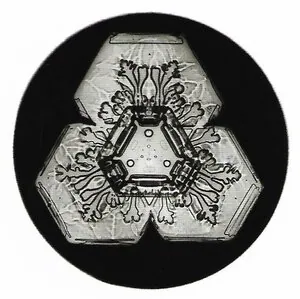
Wilson Bentley courtesy of Jericho Historical Society
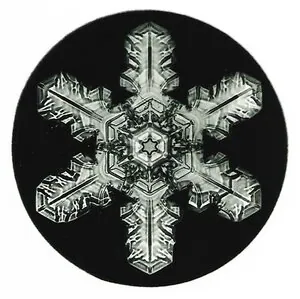
Wilson Bentley courtesy of Jericho Heritage Society
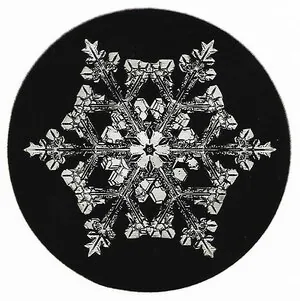
Wilson Bentley courtesy of Jericho Historical Society
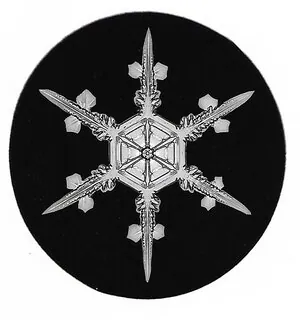
Wilson Bentley courtesy of Jericho Historical Society
Wilson Bentley courtesy of Jericho Historical Society
The wildlife trade has moved online, and porcupines are under threat
Ecology
Wake Forest University
analogicus on Pixabay
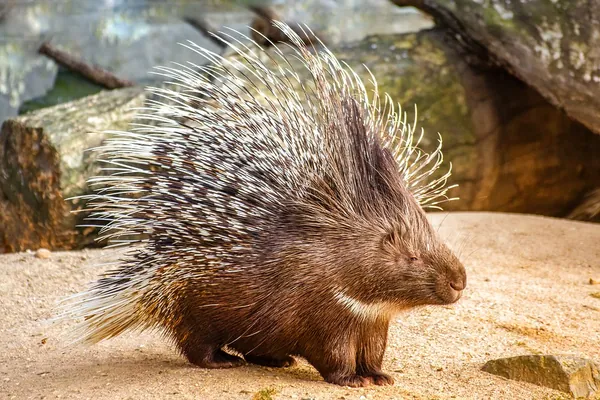
Porcupines have long been captured and sold in the wildlife trade. Some people eat them, and their quills and hairs are used in clothing and other decorative items. Porcupines also produce stone-like collections of undigested plants in their guts called bezoars. Bezoars from several species, including cows, goats, oxen, and porcupines are used in traditional and folk medicine, particularly in East and Southeast Asian countries.
One of the dark sides of social media and other internet sites is that they have become virtual wildlife markets, where hunters can easily sell their wares to buyers around the world. In a new study published in Global Ecology and Conservation, scientists from Australia's University of Adelaide and the UK's Oxford Brookes University searched 11 online social media and retail sites in Indonesia, Malaysia, and Singapore — including popular platforms like Instagram, Alibaba, and Lazada — for porcupine bezoars for sale. Over a three-month study period, they found 121 listings marketing nearly 450 porcupine bezoars. Over a third of them were posted on Instagram, and the bezoars were selling for an average of $152 USD per gram.
These findings are concerning. Porcupines must be killed to retrieve the bezoars, and relatively few porcupines have them (the actual incidence rate, however, is unknown). This means that, if every listing the researchers found was real, far more than 450 porcupines had been killed for their bezoars over a relatively short amount of time.
The International Union for the Conservation of Nature, which maintains a list of which species are vulnerable and endangered, currently lists all Asian porcupine species except for the Philippine porcupine as "least concern," meaning that, as far as conservationists know, the animals are still common. But with rapid deforestation and the hunting of these animals for food and the wildlife trade, this may not be true for long. Stronger international and domestic trade laws in Southeast Asian countries would be a good first step toward protecting porcupines, along with all of the animals that share their habitats.
#BlackintheIvory is yet another illustration that academia is rife with racism. It's long past time for change
Ecology
Wake Forest University

Photo by Andre Hunter on Unsplash
Academia, including the sciences, is rife with racism. This is not news to Black professors, researchers, and graduate students, who are often reluctant to share their stories because of potential backlash and retaliation from their superiors and peers. But Dr. Shardé Davis of the University of Connecticut and Joy Melody Woods, a PhD student at the University of Texas-Austin have changed that, by starting a Twitter conversation using the hashtag #BlackintheIvory.
Black scientists have been posting about their experiences, which range from repeated microaggressions to physical threats. One common theme is of white academics not believing that Black scientists are who they say they are. Another is of white faculty telling Black students that they won't be successful in their chosen field/program. A third is Black academics being prominently featured in university brochures and "diversity and inclusion" media, but never recognized otherwise. But this summary can't do the range of stories justice — go read them for yourself.
An important point that many Black scholars have made in addition to these stories is that they are just the ones that people feel safe sharing publicly, and they don't include stories from Black people who were pushed out of academia before reaching the "ivory tower." There are countless others that are more horrifying that will remain untold. And the sheer volume of stories drives home the point that this is a systemic problem that should not be swept under the rug as isolated instances or just the viewpoints of a few old, white men who should get a pass because they are "from another time" (to be clear, they should not).
Dr. Davis was shocked that the hashtag that she had started became such a sensation, but she wasn't surprised at the volume of stories that Black academics had bottled up. "White academics need to know that we [Black academics] are hurt. And that intention doesn’t matter. What matters is the impact of their behavior... I’m not shocked by the volume of responses to #BlackintheIvory because these are the stories that we often share in Black-only spaces. The current socio-political climate emboldened Black academics to speak their truth and Joy and I simply created the space," she said to me in an interview.
I asked her if she was hopeful that things would change now that such a strong spotlight has been shined on anti-Black academic racism. "I have some hope. I think that there are a number of white academics, university presidents, deans, provosts, and the like who are getting it in a way that they haven’t before. Prior to this moment in time, many white academics knew that racism existed; they knew that Black folks could experience racial macro and microaggressions, but I don’t think those academics thought that it could be them causing the harm. I think some, (not all) but some were oblivious to their complicity in perpetuating anti-Black racism in the academy."
But there is a limit to her hope: "Are we going to move from white folks understanding it to white folks leveraging their privilege to enact structural change and bringing Black academics along, and compensating us for our time as we work with the university to make that structural change? That part, I don’t know. Time will tell if folks do what they are supposed to do to make structural change in a way that is appropriate. Meaning, we [Black academics] don’t need people making decisions on our behalf. We need our white colleagues to leverage their racial privilege to draw attention to these issues and to ensure that we are integrally involved when those conversations occur and decisions are made."
It's hard to study plant roots, but a plastic CD case makes it easier to observe a plant's underground activities
Ecology
Wake Forest University
Plant roots are complex and delicate structures that provide the aboveground stem and leaves with nutrients and water. Studying them can tell us a lot about a plant's survival strategy and its associations with soil fungi and bacteria. There's a lot going on beneath our feet that we just can't see.
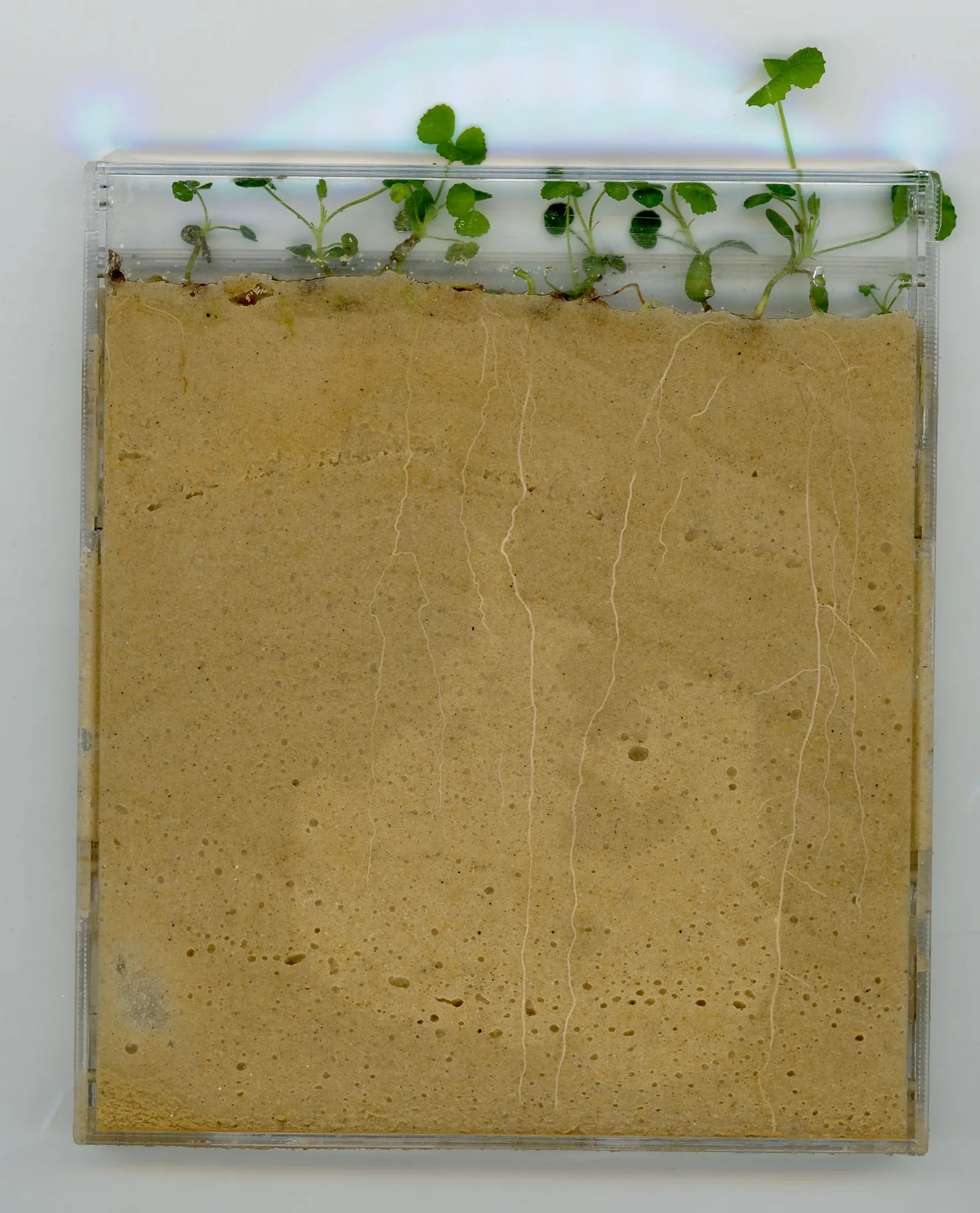
And that's part of the problem: roots are very difficult to study because they are hidden below layers of soil. To measure and observe roots, plant biologists must either dig up the plant, an approach aptly referred to as "destructive sampling," or install a see-through chamber called a rhizotron. A rhizotron is kind of like an ant farm: it allows you to observe what is going on in the soil though a clear panel. But rhizotrons can be expensive and, depending on a scientist's research goals, not worth the effort it takes to construct them.
CD case rhizotron
Steven Cassidy
Now, a group of biologists from the University of Pittsburgh have developed an inexpensive and simple mini-rhizotron from a now-defunct household object: a plastic CD case. Their method was published in April in Applications in Plant Sciences. The case itself is filled with soil, and the growing plants protrude from the hinge. Because plants can sense and grow in the direction of gravity, storing the CD cases at an angle forces the roots to grow up against the see-through sides of the cases, making them easy to see and measure without disturbing the plant.
This method only works for studying small plants — there is no CD case large enough to grow a tropical tree! But it's a clever method that fills a scientific need, and one that the authors hope will make root research accessible to teachers, ecologists, agricultural scientists, and other researchers no matter what financial resources they have available.
A new augmented reality smartphone game takes you into Borneo's jungles in search of great apes (and more!)
Ecology
Wake Forest University
Internet of Elephants
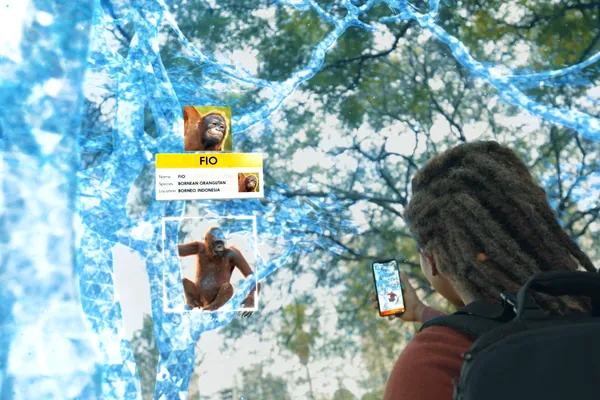
Move over, Pokémon Go: the search is now on for real wild animals. A new augmented reality smartphone game, called Wildeverse, takes you deep into Bornean jungles in search of signs of orangutans and gibbons. And if you're lucky, you'll even meet the stars of the show on your screen.
The game — free to download in the Apple and Google Play stores — opens with you being assigned a mission from Amyra, the Wildeverse project leader. It's "Where in the World is Carmen San Diego?"-esque, which, as a 90's child, I thoroughly appreciated. Amyra sends you to a swamp forest in Borneo to try to track down wild orangutan Fio. The jungle trees, outlined as brilliant blue holograms spring up around you. Your first task is to find evidence of Fio on the ground (hint: 💩).
I haven't found the poop yet, but earlier this week I did chat with Gautam Shah, the founder of Internet of Elephants, the company behind the game. It was a strange twist of fate that Gautam, who I had previously spoken to about how games like his can advance wildlife conservation, partnered with an NGO I used to work with (Borneo Nature Foundation) to bring Fio and his gibbon counterpart Chilli to the smartphone screen. Buka and Aida, the game's other stars, live in the Congo, where Internet of Elephants partnered with the Goualougo Triangle Ape Project.
The game has already been downloaded 10,000 times, with minimal marketing outside of the UK. Gautam told me that the game had gotten good responses and that people like having a tropical jungle appear when they open their phones, "especially the first time they see Fio walk by." The game also has built-in questions to help track how people feel about wildlife, and how those feelings change as they play the game. As a conservation biologist I can tell you that data like that is highly valuable for figuring out what makes people want to protect nature and change their behaviors accordingly, which is one of Gautam's main goals for the game.
If you are looking for something new to entertain you during social distancing, why not celebrate Earth Day in the Wildeverse? I think I'll join you!
We all have very valid reasons to be anxious right now. Here's how to keep your anxiety in check
Ecology
Wake Forest University
Photo by Alex Knight on Unsplash
We are currently living in a situation of extreme uncertainty, and if you are like me, you may have noticed yourself feeling extra anxious lately. Maybe you feel a constant ache it in your shoulders and neck. Maybe you are compulsively checking your phone, unable to tear your eyes away from Twitter and Facebook, or maybe you're extra irritable. According to medical professionals, these are very normal responses to the coronavirus pandemic.
Luckily there are lots of things you can do on your own to help ease the stress. Here are a few that work for me personally (note: I am not a medical professional). Not all of these will work for everyone, so don't beat yourself up if you try something to lessen your anxiety and it doesn't do much. Each of us is unique in our experiences and reactions to stressors!
Create something: Make something with your hands. You can cook or bake, put together a puzzle, color or draw, work in your garden or yard (if you have one), or even clean out your car. Whatever you choose, try to really focus on what you are doing instead of letting your mind wander. Don't worry about making something perfect — just enjoy the process!
Go outside or get moving inside: Unless you are currently under lockdown, and assuming you stay at least 6 feet from others, it is safe to go outside. Exercise can help you redirect nervous energy. It also gets your feel-good neurotransmitters flowing. By the way, dancing in your living room counts as exercise!
Step away from your phone: Put the phone down. Leave it in another room while go about your other activities. It will feel weird, but I promise you that logging off Twitter and other social media for half an hour will not harm you. To be clear, your phone isn't the root cause of your anxiety, but a constant barrage of COVID-19 related news isn't helpful, either.
Give yourself a break: If you are really feeling anxious and it is keeping you from your daily activities, try just letting yourself be. A lot of times the pressure we put on ourselves to stay productive, keep working, clean the house, and so on keeps us paralyzed. Banish the word "should" from your vocabulary for now, and just do the best you can. Sometimes just giving yourself permission to slack off is enough to get your motivation and focus back.
Try mindfulness: Mindfulness seems like the hip, hot thing to do lately, but there's a reason for that — it works. There are tons of online resources and apps for learning mindfulness. I am most familiar with Headspace, and the thing I like most about it is that students (including grad students!) can get access to the full app for $10/year (usually $70). There is a lot of material in the app, and in my opinion it's worth it.
If full-on mindfulness isn't for you, but you need a way to stay calm when it feels like the world is falling apart around you, the 54321 method of grounding yourself is a good place to start. Take a deep breath, then look around you for five things that stick out to you in the moment, and say them out loud. Then repeat that with four things you can feel, three sounds you hear, two things you can smell, and one thing you can taste. Then take another deep breath.
We're all in this together. While you may have to stay physically distant from people right now, don't forget to connect socially in any way you can. And if you are feeling totally overwhelmed or depressed, please reach out to a mental health professional.
Here are some ways to kill boredom – and contribute to scientific research – while you're doing your part to flatten the curve
Ecology
Wake Forest University
Photo by Tobias Adam on Unsplash
If you are newly stuck at home with science-minded kids, or are just looking to add another website to your internet routine in this time of social distancing, here's a list of educational and productive science games that might come in handy. If you have a favorite that doesn't show up here, send me a link on Twitter and I will add it.
FoldIt: We wrote a great article outlining one of the major scientific discoveries made with this protein-folding game a few months ago. Try it yourself – there are even coronavirus puzzles that you can do, if you want to take out your stress on (a virtual copy of) the virus itself.
Zooniverse: This site has an enormous range of projects you can contribute to. You can do everything from helping scientists classify bird breeding behavior on NestCams, to identifying wildlife from camera trap photos as part of Snapshot Ruaha, to locating black holes on Radio Galaxy Zoo. There is truly something for everyone!
March Mammal Madness: The basketball version of March Madness has been canceled, but this animal-themed competition is still going. Although several battles have already been fought, it's not too late to fill out a bracket (assistant editor Max Levy is cheering for the Australian feral camel to win it all!). You can catch up on the competition and get some great science content — complete with references to peer-reviewed research — on the competition's Twitter feed.
Kerbal Space Program: This is co-founder Allan Lasser's pick. In this fictional game you are the leader of a space program for an alien race called the Kerbals, and you get to construct spacecraft, perform space experiments, and even make budgeting decisions for your organization (because funding science is important). This game would be great for kids who want to learn physics and astronomy alongside some real-life space scientists.
Eyewire: In this game, your goal is to map neurons in the brain. You are presented with a cross-section of a real brain map, and your job is to trace a neuron through that cross-section. Consortium member Dori Grijseels, who sent me this suggestion, calls it "weirdly addictive!" If you're interested in the science behind the game, here's a TED talk by the game's director.
This "digital guide" is the product of a collaboration between the Cornell Lab of Ornithology and Swarovski Optik
Ecology
Wake Forest University
Walton LaVonda, USFWS on Pixnio
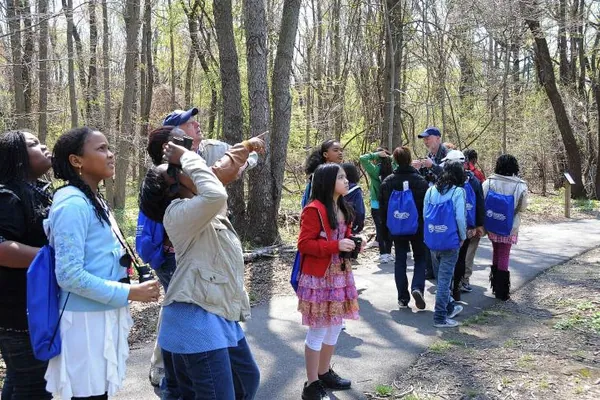
I am terrible at identifying birds. Terrible. I can handle the trees of the Andes, but as soon as what I'm looking at starts moving, I struggle to spot all of the relevant identification details. Usually by the time the bird has flown away, I've barely even been able to see what color it was! That's why the debut of a new tool from the Cornell Lab of Ornithology, in collaboration with Swarovski Optik, caught my eye.
The tool, called a "digital guide," is a monocular, which functions similar to binoculars, but consists of just one tube. After you spot a bird through the lens, you can take its photo, which the guide then sends straight to your cell phone. Then, with the help of Cornell's Merlin bird identification app, it automatically returns a list of birds that might be what you are looking at. The integration of this amazing technology is the latest example of the "gamification" of nature, allowing anyone with the digital guide quickly identify birds and add new species to their lifetime list.
This could level the playing field for people who want to start observing nature but lack the background knowledge to identify what kinds of birds they are seeing. It could also standardize data collection by field scientists, which would particularly be a welcome tool in tropical countries with high bird diversity.
But one variable remains unknown: the price. If the digital guide is too expensive, it will only be accessible to wealthy folks and the most well-funded researchers. And for many casual nature observers, the pleasure of just being outside without technology may be a key reason they find birding so relaxing. So, don't throw those bird identification books out just yet!
Or if you do, can you send them my way?
New research shows that grandmother orcas greatly improve the survival of their grand-offspring, advancing our understanding of the evolutionary role of menopause
Ecology
Wake Forest University
NOAA/Robert Pittman on Wikimedia Commons
The phenomenon of menopause has long confounded biologists. From a strictly evolutionary perspective, the life goal of any living thing is to survive long enough to reproduce and pass on its genes to a new generation. So understanding why some animals, including humans, live long beyond they are able to reproduce has been puzzling.
One hypothesis for why menopause has persisted is called the "grandmother effect." Female animals (and humans) who live long enough to see their children have children are thought to earn additional evolutionary currency by helping their grandchildren, who carry 25% of grandma's genes, survive — a concept called inclusive fitness. There is some evidence that the grandmother effect is a factor in why humans are so long-lived, but we are still learning whether this is true for other animals.
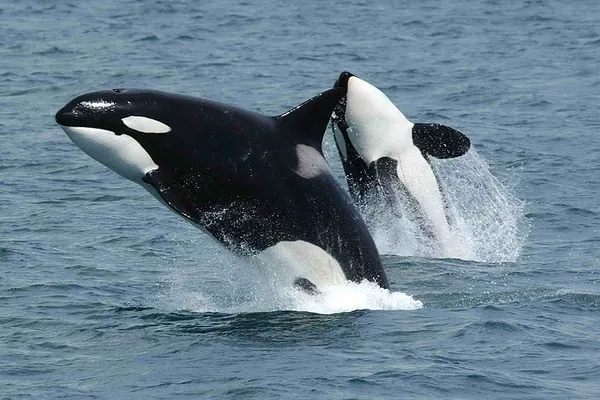
Now, a new paper published in the Proceedings of the National Academy of Sciences establishes strong evidence for the grandmother effect in orcas, colloquially known as killer whales. Orcas live in female-led, or matrilineal, societies and travel in tightly-knit family groups. Using a 30-year dataset comprised of photographs of two groups of killer whales and long-term observations of their behavior, they found that the support of grandmothers substantially increased survival of their grand-offspring. Given average values of salmon abundance (a key food source for these two groups of orcas), young whales who lost their maternal grandmother within the past two years were 4.5 times more likely to die than a young whale with a living maternal grandmother. This is because grandmothers help provide safety and food to the young whales, and teach them how to make their way in the world.
This study, combined with previous findings about the reproductive costs incurred by both mother and grandmother whales when they are both raising children at the same time (an effect that this study was able to replicate), tells us a great deal about the evolutionary rationale for menopause. Grandmotherly support is key for long-lived organisms, like us and our whale cousins, to raise our young, and this effect is so powerful that it may have enabled us to live into our nineties and beyond. So next time you see her, give your grandma (or someone else's!) an extra big hug.
New gadgets are fun. They're also abysmally destructive
Ecology
Wake Forest University
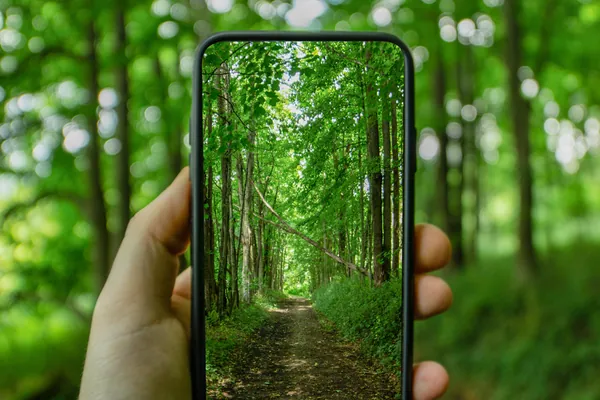
Photo by Bailey Kovac on Unsplash
I need a new phone. Like many of us with older model iPhones, my battery life is just a few hours and I've stopped updating the operating system to extend the phone's life. But I'm having a tough time pulling the trigger. It's not the cost (although that is hefty, especially on a grad student salary). It's not the hassle either. It's the environment.
Making smartphones, laptops, and other tech takes a lot of resources. This is partly due to the carbon emissions from the manufacturing process, but the biggest toll comes from the mining of the rare earth metals that make your phone work. If you're reading this on your phone right now, you're holding about 0.034 grams of gold, 0.34 grams of silver, and smaller amounts of palladium, platinum, yttrium, terbium, and gadolinium — among others. These are tiny amounts, but consider the demand for smartphones around the world.
All of these rare elements have to be mined from inside the Earth, in places like China and the Democratic Republic of Congo. Mining is hugely environmentally destructive: forests are decimated, the ground is disturbed, and water quality in the area takes a dive. Worse still, the cobalt mining industry in the DRC depends on child labor. And elsewhere in the DRC, mining for coltan, another smartphone ingredient, threatens a key population of Grauer's gorillas.
Now take these environmental risks, and combine them with the fact that the average lifespan of a smartphone is just two years, the length of your contract with your cell phone company. After that, if you're lucky, you get a "free" upgrade. Awesome, right? Sure, if you ignore the fact that the environmental impact of a new phone is about the same as using your old one for a decade.
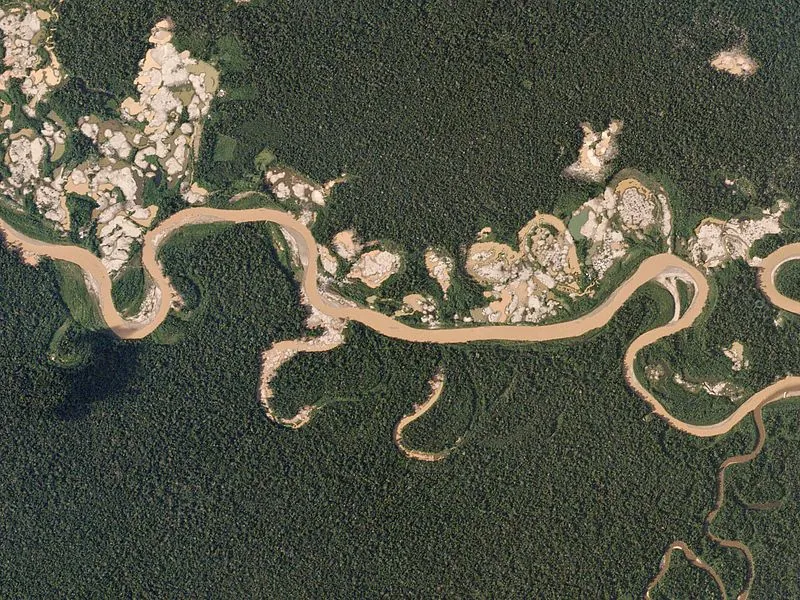
The environmental impact of illegal gold mining in the Amazon
It's nearly impossible to live in the 21st century without contributing to environmental destruction and climate change. I am guilty as well — I eat meat and occasionally fly. But that doesn't mean that we should stop trying to do better by our planet, or ignore the consequences of our actions. This Christmas, I urge you to think carefully about that smartphone purchase, not matter what the Black Friday ads are telling you.
I know I am.
Tarantulas, fire-inducing weather, and failing infrastructure make for a spooky October story
Ecology
Wake Forest University
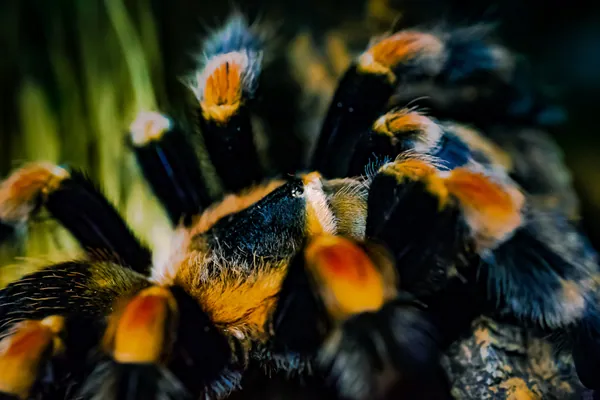
Photo by Christos Politis on Unsplash
I saw a tweet the other day that sent chills up my spine.
I'm a field biologist, so I've spent plenty of time in the company of creepy crawlies, and I wouldn't call myself an arachnophobe, but something about sitting in a room where the lights have been shut off to prevent massive fires driven by a climate change-induced drought surrounded by migrating tarantulas sounds like my "The Day After Tomorrow" nightmare.
The mass tarantula migration is actually the least worrisome part of this story. Male tarantulas across the western part of the United States are migrating right now in search of mates. Tarantulas, with their huge, hairy bodies, look intimidating, but actually are not dangerous to humans. They have intricate courtship rituals that occasionally end up with the male as a meal instead of just a mate. And although this year's migration is slightly larger than it usually is, this is a normal phenomenon that happens from about mid-August to mid-October each year. Even if you (understandably) don't want to share your space with these eight-legged furballs, experts say that if you spot one you should just leave it alone.
But something much more frightening than migrating tarantulas is happening in California at the same time. Pacific Gas and Electric Co. (PG&E), the main power company for much of the heavily-populated Bay Area, has shut off power to 800,000 customers in the region in the face of a red-flag wildfire and wind warning. High winds and increasingly dry weather caused by climate change mean that the entire area is — again — at risk of going up in flames.
And this lack of preparation is, on some level, just a combination of greed, incompetence, and willful disregard for the environment. PG&E was found responsible for last year's deadly Camp Fire in Paradise, California, after faulty power lines sparked the blaze. And in April, the company was admonished by a judge for paying out shareholder dividends instead of trimming trees around dangerous lines. Now a large portion of California residents are paying the price as they spend unknown amounts of time in darkness.
U.S. infrastructure is simply not prepared for climate change. Hundreds of thousands in California are now reaping the whirlwind of that inaction. PG&E's sloth and ignorance put people, particularly those that rely on electricity for medical devices, in grave danger. There's many horrifying aspects of this story, but the one that stands out to me is that the only backup plan for people who need power for life sustaining medical equipment is for them to call an ambulance (presumably on their own dime).
As many have said time and time again, the most vulnerable among us will be the first to experience — and are already experiencing — the impacts of climate change. People are going to suffer and die, and it won't just happen in huge dramatic ways like hurricanes and drought. It'll happen in lots of mundane, insidious, and unnecessary ways. Like not having access to electricity to power a breathing machine, or not having an air conditioner during a heat wave.
So by comparison I'm fine with the tarantulas.
New research from Monterey Bay Aquarium scientists finds that the pups and their own wild babies account for 55% of the growth of a California sea otter population
Ecology
Wake Forest University
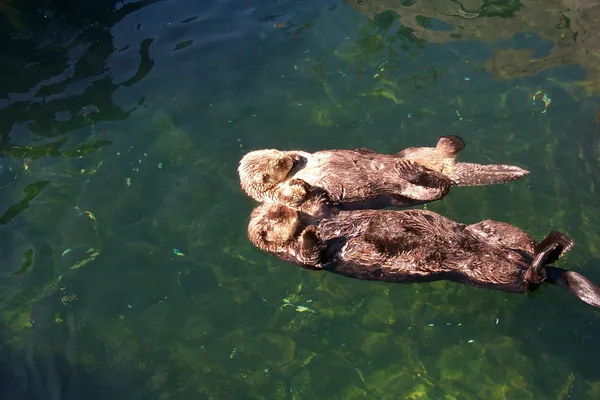
Peter Burka on Flickr
Rescue and rehabilitation of stranded or injured wild animals is one tool at our disposal to protect endangered or threatened species, and in the U.S. it has helped conserve marine animals like the Hawaiian monk seal and Florida manatees. Zoos and aquariums substantially contribute to these efforts. New research out of the Monterey Bay Aquarium, published in the journal Oryx, highlights just how important — not to mention downright adorable — this work can be.
Sea otters are called "keystone" species, meaning that they are the linchpin that holds their ecosystem's food web together. A long-running line of ecological research has found that when sea otters are present in coastal ecosystems, populations of sea urchins (one of their favorite foods) are kept in check, allowing marine kelp forests to proliferate. This is a balanced, healthy coastal ecosystem. But when sea otters disappear, sea urchin numbers explode, they eat all the kelp, and the coast starts to look pretty bleak.
Sea otter populations are still recovering from the effects of hunting for the fur trade in the 18th and 19th centuries, and their protection remains an important objective for California's Monterey Bay Aquarium. Between 2002 and 2015, a team of aquarium scientists, led by Karl Mayer, rescued 37 stranded and orphaned sea otter pups along the coast. They brought them back to the aquarium and gave them to captive female otters to raise as their own. After the pups were weaned, they were released into the Elkhorn Slough wetland, an estuary that is managed by state and federal natural resource agencies. This in itself was a great success, but Mayer and his team wondered about the fate of these released pups and how much they contributed to their newly adopted wild population — an important mark of how successful the aquarium's rehabilitation and reintroduction project truly is.
They found that released female otters reproduced at the same rate as fully wild otters, an encouraging sign that reintroduction can contribute to a healthy wild sea otter population. In fact, over the lifetime of their study, the reintroduced females and their own wild pups accounted for 55% of the growth of the Elkhorn Slough sea otter population! This is fantastic news for California's sea otters, and shows how captive animals can contribute to conservation of their wild counterparts.
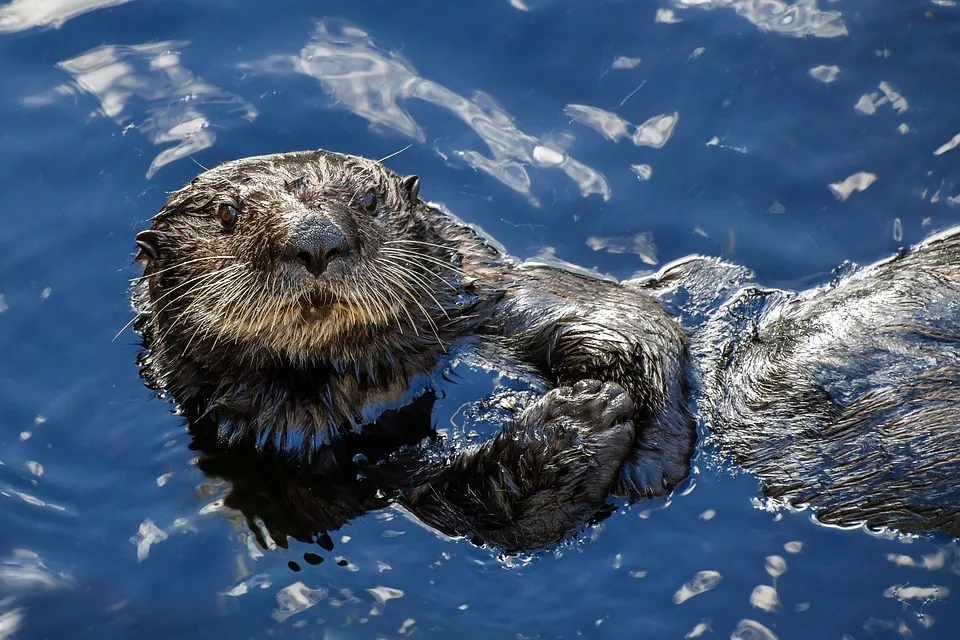
Photo from MaxPixel
You probably didn't need another reason to love sea otters, with their hilarious old-man whiskers and their penchant for hand-holding, but let's add this conservation triumph to the list, anyway.
The week's not over yet but it's been pretty good so far

Biochemistry
SUNY Buffalo
Ecology
Wake Forest University
Science Journalism
Massive Science

Photo by Raj Eiamworakul on Unsplash
We here at Massive have great taste. Particularly when it comes to science writing. It's our job! These are the stories we've been reading this week that we think you should read too. Imagine this round-up like your favorite cupcake baker taking you around town to all the cupcake shops they love. You all do that too right?
The obsession with colonizing space from many people (especially the ultra rich) has always been baffling to me. Space is big, and dead. It always struck me as a kind of anti-environmentalism, where we can solve all the problems we've made here on Earth by just packing up and leaving. It isn't happening. -DS
Dying from heatstroke seems like something that can only happen to extreme athletes or particularly unlucky folks. This article (the partner to Outside's piece on what it's like to die of hypothermia) dispels that myth. Human physiology piled onto mildly questionable choices - that certainly wouldn't be deadly in other circumstances - can easily result in a very dangerous situation for anyone spending time outdoors in the summer sun. Read this article as a reminder to keep yourself and your loved ones safe on your next hike or beach day. - CF
Algae's kind of gross but harmless as long as you’re not a kid or a dog and don’t swim in it. Also PSA, don’t let your dog eat algae chips: “It’ll get all crunchy like potato chips, and the dogs love to eat that.” - GSM
No explanation necessary. -DS
A new study finds that bagged and canned produce can occasionally (but rarely) come with a side of frog, lizard, bird, or rodent
Ecology
Wake Forest University
As I was perusing Twitter the other day, a story from Vice titled, "Your Bagged Salad is Full of Frogs," caught my eye. The piece opens with the tale of a California woman who found a little frog in her salad bowl. She (understandably) freaked out, but in a heartwarming twist, she and her husband cleaned the little guy off and built him a terrarium so he can live out his days with them in their home. They dubbed the frog "Lucky."
This story is just one in a newly published dataset of the prevalence of vertebrates in produce sold in the U.S. between 2003-2018. The research, led by Daniel Hughes of the University of Illinois and published this month in Science of the Total Environment, is unique in that it uses online media reports of cases like Lucky's to explore how human-wildlife conflict in our agricultural systems can impact food safety.
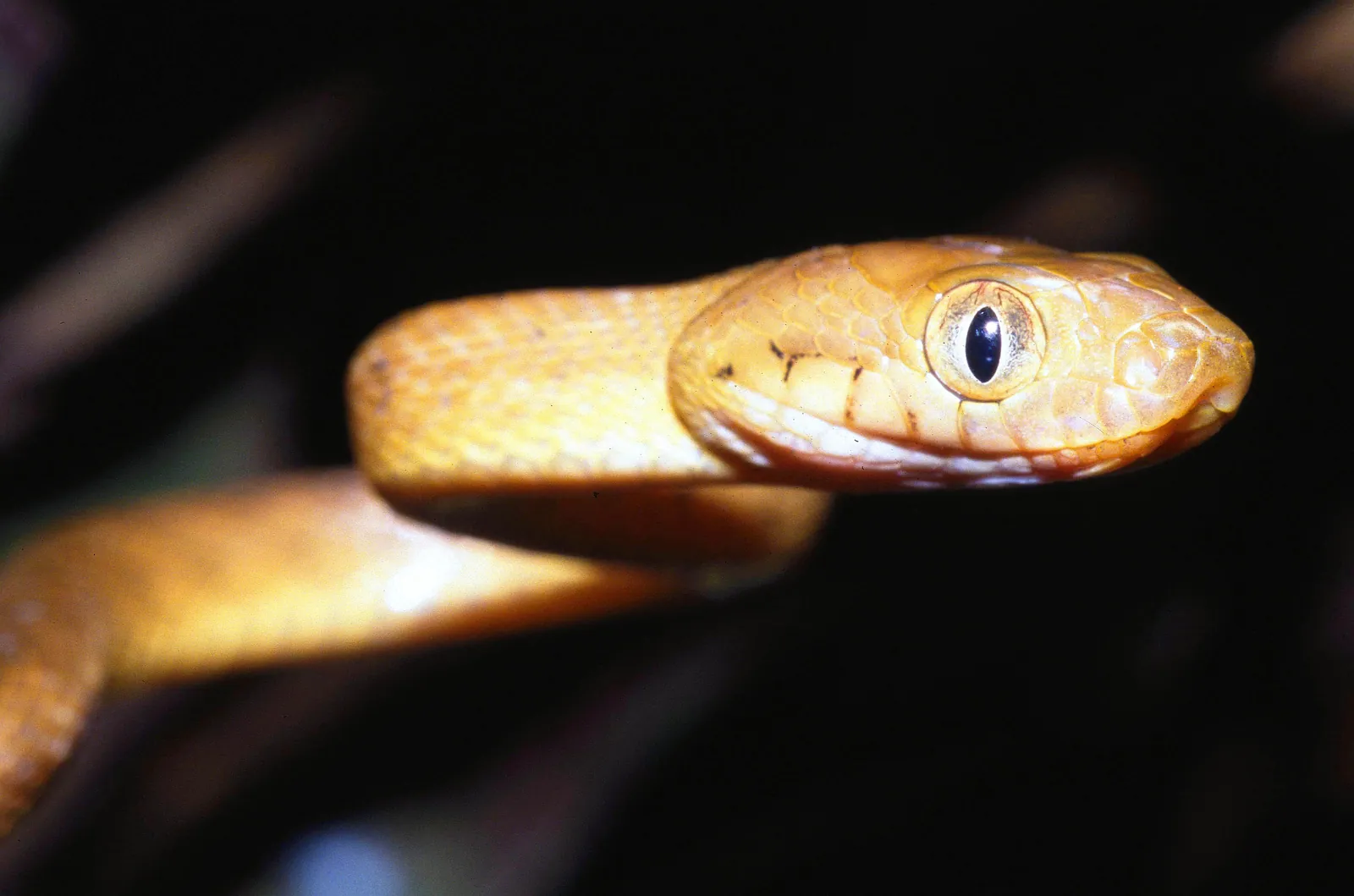
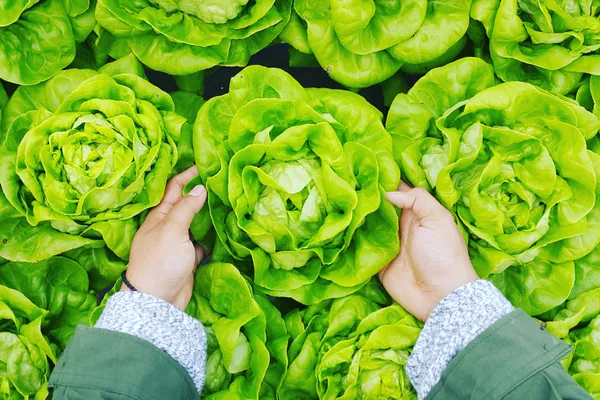
Unpleasant as it sounds, bagged salads can include surprise guests like frogs, rodents, and snakes. Check your food before you eat it!
Agricultural fields may appear monotonous from our point of view, but they're still habitat for wild animals like frogs, lizards, and rodents. Harvesting is now mostly automated, which is highly efficient but also means that there is no human being watching out for small animals that might be scooped up in the process. Rarely, these animals can make it into our food. To figure out just how common this is, Hughes searched the web and logged all stories he found with keywords like "frog," "mouse," "snake," "fish," bird" combined with produce items like "salad," "lettuce," "mixed greens," and "vegetable."
The search turned up 40 cases of animals or animal parts in produce products between 2003-2018. These included 21 amphibians (frogs and toads), nine reptiles (lizards and snakes), seven mammals (mostly rodents, with one bat) and three birds. Nearly 75% of these were in conventional produce, as opposed to organic, which was the opposite of what Hughes expected, and the majority of cases were found in bagged produce.
This is gross and shocking, but it's important to keep these 40 cases in perspective: Americans eat 11 pounds of green/red leaf and Romaine lettuce per person per year, and so a very, very small percentage of bagged salads come complete with an animal surprise. Even so, it is a good idea to thoroughly check produce for unwanted hangers-on before you eat it. Who knows - you might even end up with a new pet!
Ecology
Wake Forest University
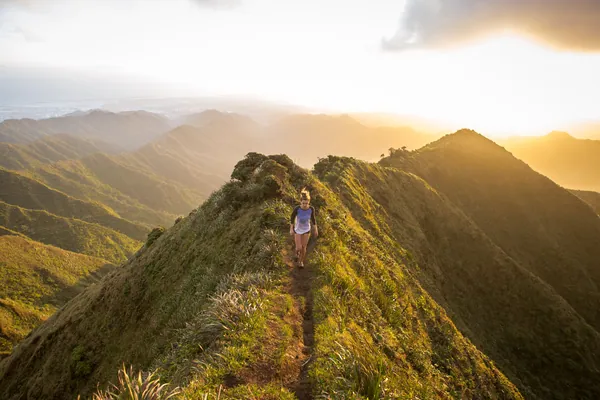
Photo by Kalen Emsley on Unsplash
As the summer field work season draws closer, I thought I’d offer a few entirely unscientific tips for doing healthy and successful field work. Whether the upcoming field season is your first or tenth, you might be feeling pretty nervous and unprepared. That's normal! I've been in your shoes many times - so here are my top five pieces of advice to ease your mind, in no particular order:
1. Know what you should overpack and know what you can skimp on. Err on the side of bringing more food, batteries, and datasheets than you think you need, but know that you can usually get away with packing fewer clothes than you would for a normal trip. It’s the wilderness – no one cares how you look or how you smell! And honestly, wearing the same shirt and pants for five days in a row is a badge of honor in my book.
2. Allow yourself at least two comfort items. I work at high elevations in the Peruvian Andes, so one of mine is a hoodie. The other is usually a stash of personal snacks. And always, ALWAYS, have a couple of pairs of spare socks or underwear tucked away where they won’t get wet. Nothing feels better after a day in the elements than clean, dry clothing on your body.
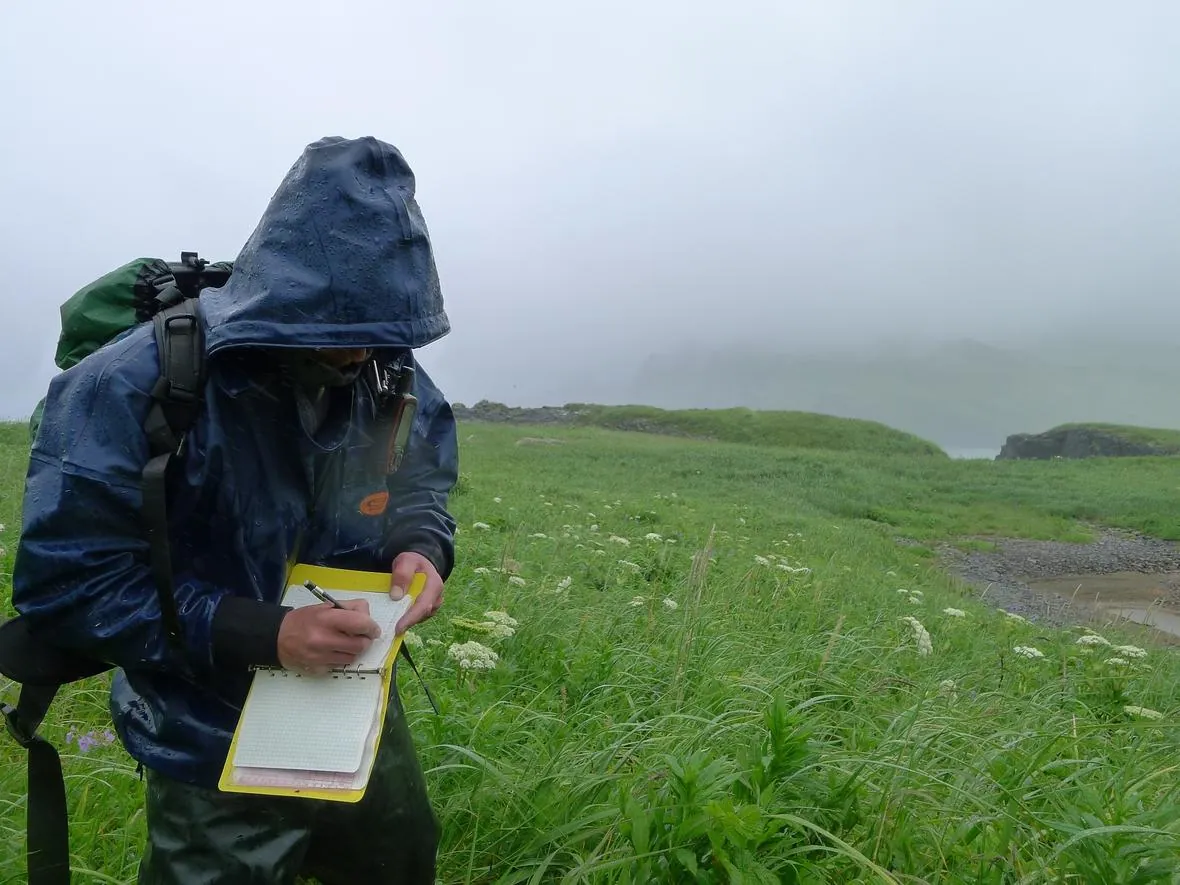
USGS
3. Zippered plastic bags are your best friend. They’ll keep the bugs, dirt, and water away from your stuff. Other field must-haves are waterproof notebooks, permanent markers wrapped in duct tape (keep both on hand at all times!), and brightly colored flagging that you can attach to all of your stuff. You definitely will inevitably drop your pencil into a pile of leaves, rendering it near-invisible to the unaided eye. It will also be easier to find if it’s attached to a long strand of neon plastic – I promise.
4. Don’t be dumb or try to "prove yourself." Safety should come first, always. If your mental alarm bells start going off or your gut starts to knot from fear, get out of whatever situation you are in. This applies to anything from walking an unfamiliar trail out in the middle of nowhere to strolling down the street in a major city on a day off from field work. A healthy, happy, and secure field team is more important than any data.
5. You’re probably going to cry! And that’s perfectly okay. For some reason, when we talk about doing field work it often devolves into a shouting match of one-upsmanship to tell the wildest, most ridiculous story about insane physical or mental feats we’ve accomplished (remind me to tell you about the time I wrestled an anaconda after walking 10 miles in my bare feet AND still managed to collect a secret groundbreaking dataset that will save the world!) (Kidding. So much kidding.) We forget to talk about all the ways that field work is really, really hard. Almost everyone I know has had a moment in the field where they have absolutely lost it, usually from a combination of exhaustion, fear, hunger, or just plain being stuck with the same small group of people for three weeks straight. It’s normal.
What's your favorite field work tip? Tweet me @CassieFreund and I'll share them. For the first time in seven summers I'm not headed into the field next month, and although it'll be weird, I can't wait to follow everyone's adventures from the clean comfort of my desk.
Ecology
Wake Forest University
Frank Vassen on Flickr
I've been thinking about a question for my fellow scientists lately: What's one paper that you always use to contextualize your work, that you wish you could share with everyone because you just think it's SO DARN COOL?
Me and my Peruvian plants
Cassie Freund
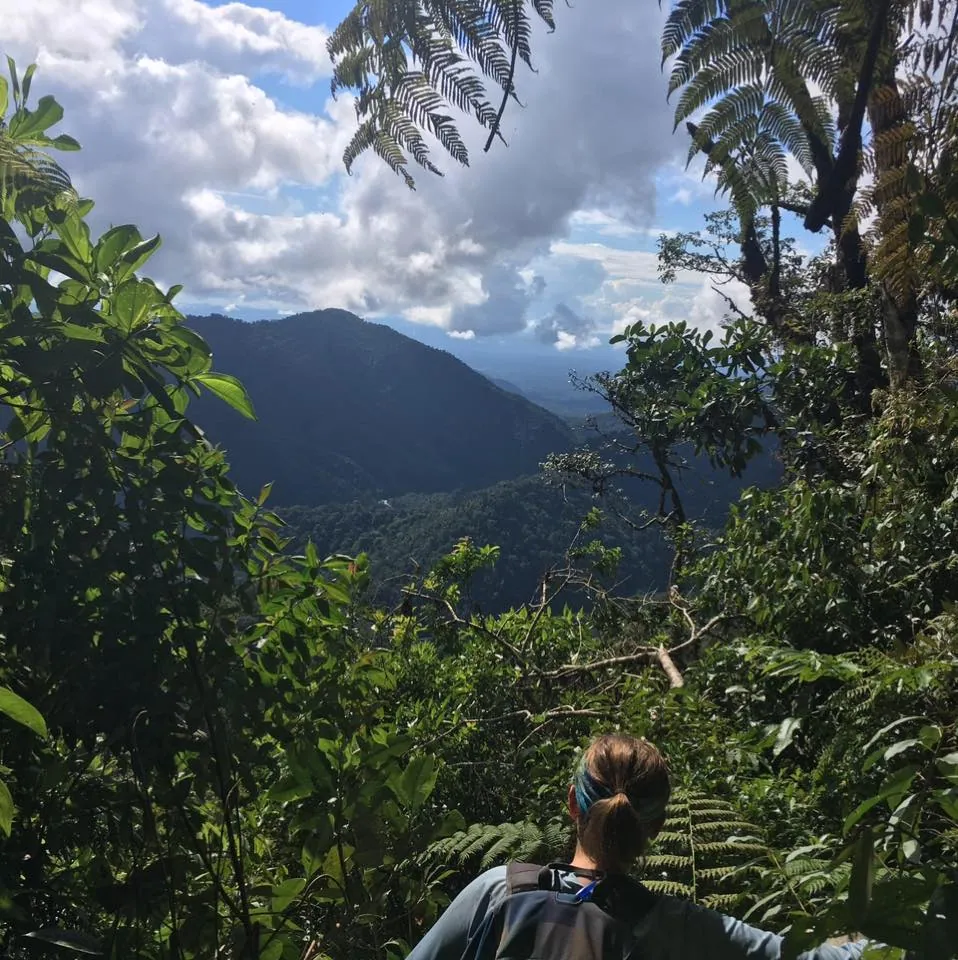
Mine is "Biodiversity hotspots for conservation priorities." I love this paper because the authors came up with the 25 places on earth with the highest concentrations of plant and animal species. They argue that in an era of very limited funding for protecting nature, focusing mainly on these regions will return the most bang for our conservation buck. And this paper is super relevant to my work because I study forests in the Tropical Andes, home to 45,000 plant species. Nearly half of these (~20,000) can only be found in this hotspot.
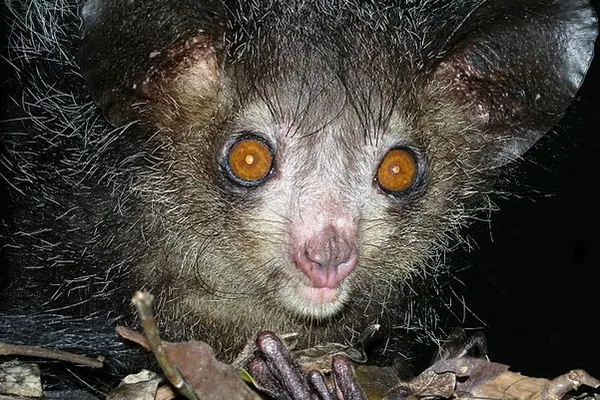
There are hotspots for animal enthusiasts, too! The island of Madagascar - home to multiple lemur species, the fossa, and the so-ugly-it's-almost-cute aye-aye - is a prime example. There are now 36 hotspots, with eleven new ones added in the past two decades. Scientists, nature lovers, world travelers: is your favorite place on the list? Shout out at me about your favorite papers and hotspots on Twitter and I'll share your replies!
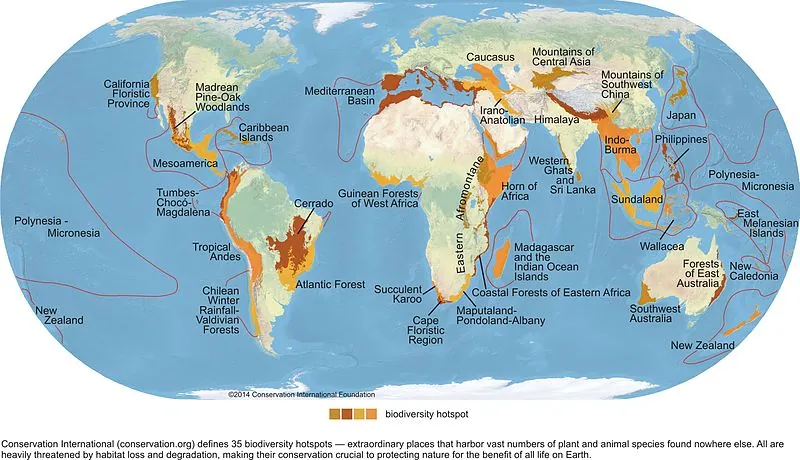
Map of the now-35 biodiversity hotspots worldwide. Is your favorite place on the list?
Paywalls and language barriers make results inaccessible for local managers and residents
Despite what many say, organic farming will not save us from the worst impacts of climate change
This time the planet is warming much, much faster
From precipitation to the carbon cycle to natural disasters, the outliers are now the norm.
Prominent researchers can take the gamble, but junior scientists risk retribution
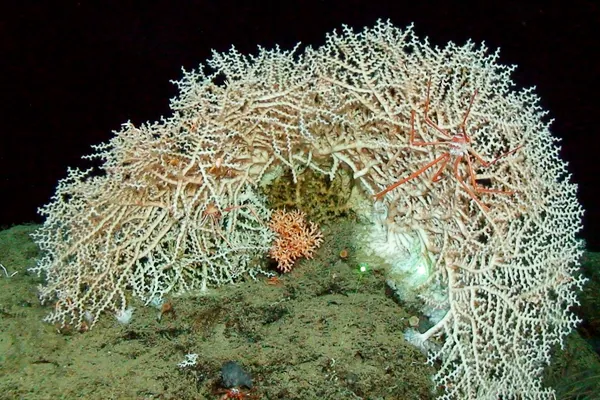
Environmental DNA is a less invasive way to solve long-submerged mysteries
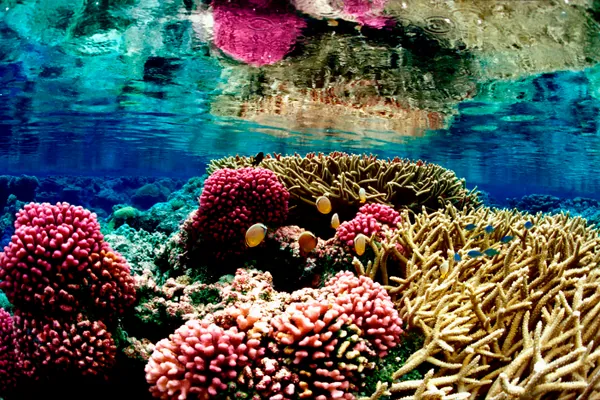
Biologists are studying corals with techniques designed for humans

Let the battle between human psychology and science have statisticians' supervision
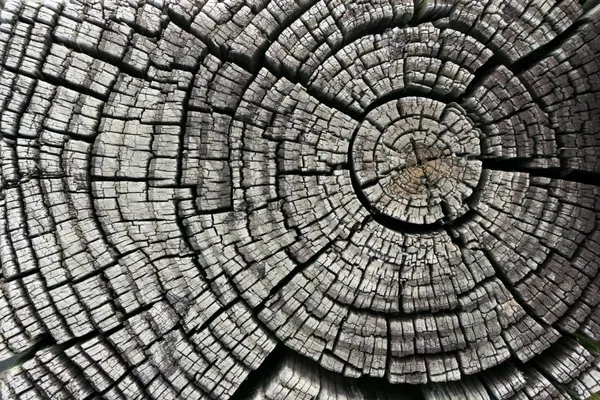
Blue oaks have up to 500 years of climate history written in their rings

New research seems to resolve a puzzle of why plants struggled in the past
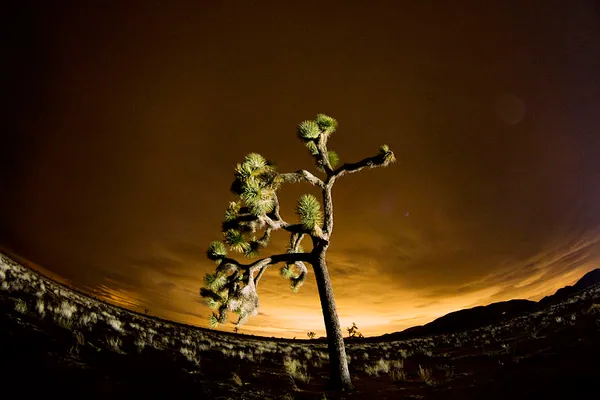
Plants depend on cycles of light. Now, they're always on
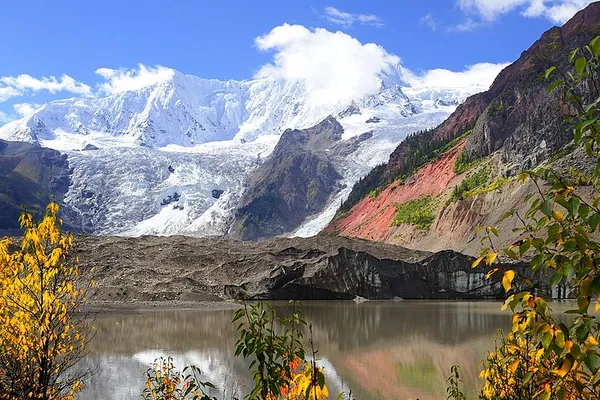
Scientists are finding decades-old DDT and PCB flowing from the Tibetan Plateau
New research has revealed a "symbiotic organ" in weevils, showing how tiny organisms shape larger life
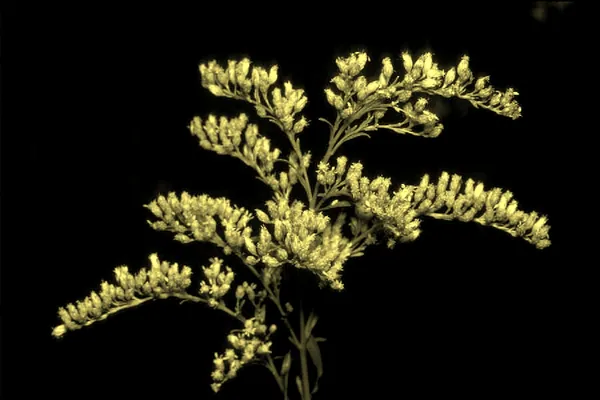
Scientists have found that plants like Canada goldenrod deploy defenses against insects on scent