
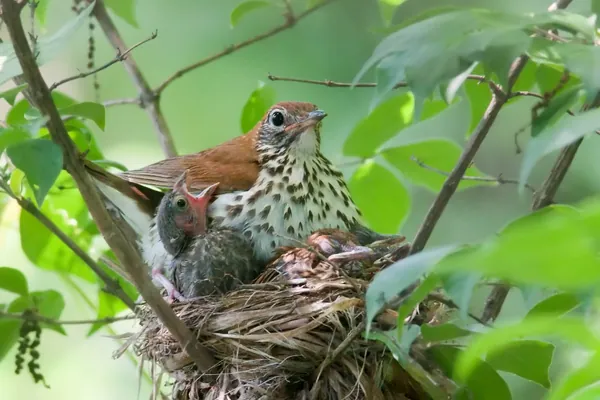
Brood parasites are quite picky about who they offload their kids on, depending on the climate
Read now →Climate patterns may have driven parental decision-making for birds that lay their eggs in other species' nests
Climate patterns may have driven parental decision-making for birds that lay their eggs in other species' nests
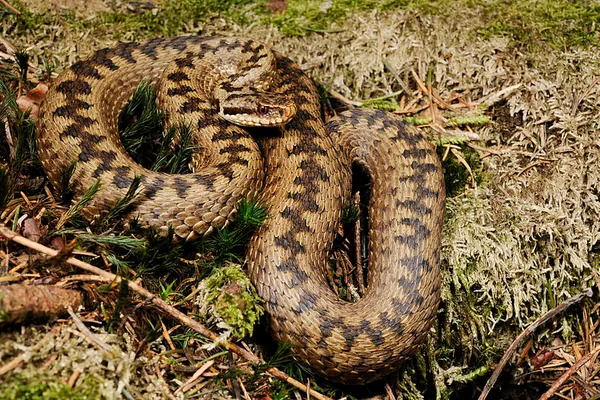
Scientists previously thought that animals' color patterns were either warning signs or camouflage — on these snakes, they are both
A study of India's Midday Meal program shows clear nutritional benefits that are even passed on to the next generation
Ecology & Evolutionary Biology
University of Florida

MD Duran
School lunch programs are widely known to improve children’s health and education, but their benefits may extend even further than once thought. According to a recent study from the International Food Policy Research Institute, India’s national school meal program may provide intergenerational health benefits extending to participants’ own children.
India’s Midday Meal is the largest school meal program in the world, feeding around 100 million school children each year. The success of this program led researchers to wonder whether meal recipients grew up to have healthier children of their own.
The team found that women who grew up with school meals had young children (ages 0 to 5) who were taller for their age than the children of women who did not receive school meals. There were also fewer children with very short heights for their age, a common sign of malnutrition, among women who had experienced greater access to school meals. These differences were largest at low socioeconomic statuses, suggesting that school meals may be most beneficial for children with few resources at home.

They also found that school meals were associated with improved education and healthcare use by women, which may partially explain the nutritional gains in their children. This study highlights how a single free meal a day can have cascading effects across lifetimes.
Scientists are turning to honeybees to understand alcohol dependence in humans
Ecology & Evolutionary Biology
University of Florida
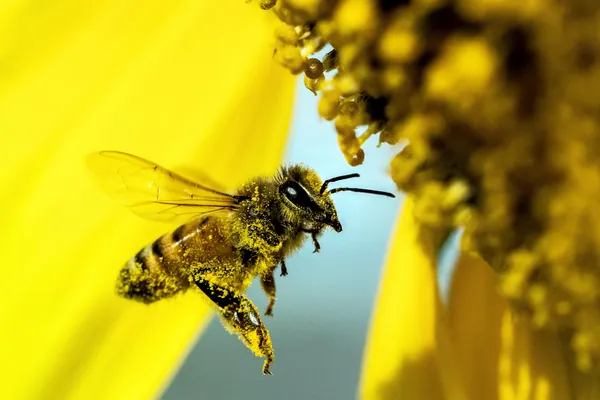
Photo by David Clode on Unsplash
With our species’ long history of creating alcoholic beverages, it is easy to forget that alcohol occurs in nature too. All kinds of wild animals routinely consume alcohol, including non-human apes, birds, and flies. The western honeybee has even emerged as a model species for studying the effects of alcohol consumption.
Honeybees consume alcohol when wild yeast grows in flower nectar. The yeast in nectar produces ethanol through fermentation in the same way that brewers’ yeast produces ethanol in beer. In the lab, honeybees will readily drink sugar water spiked with alcohol, which mimics this yeasty nectar. Using this method, scientists have shown that honeybees can get intoxicated and eventually build up a tolerance when they drink alcohol regularly.
Although alcohol use disorder in humans is driven by a complex set of biological and social factors, studying honeybees may help us understand some of the fundamental physiological processes underlying it. With this goal in mind, a research team in Poland ran an experiment to see if honeybees showed one of the key features of alcohol addiction: withdrawal.
In their recently published study, the researchers fed half of the bees sugar water with ethanol, and the other half without ethanol, for three weeks. After that, half of the bees in each group were switched to the opposite diet for three days. The researchers then tested how eager the bees were to drink alcohol-spiked sugar water.
The bees that had never encountered alcohol before consumed the least of it, while the bees that had been cut off after three weeks of alcohol-drinking consumed the most. These bees drank more alcohol than any of the other groups, including those that had consumed alcohol continuously throughout the experiment.
The researchers concluded that honeybees show signs of alcohol withdrawal after just a few days of deprivation. Of course, more research is needed to fully understand the basis of the bees’ behavior and what it means for alcohol studies more broadly. But it is evident that at least some of alcohol’s impacts on animal behavior are more widespread than we once believed.
Our feline friends are just as likely to sit inside of a fake square as a real one
Ecology & Evolutionary Biology
University of Florida
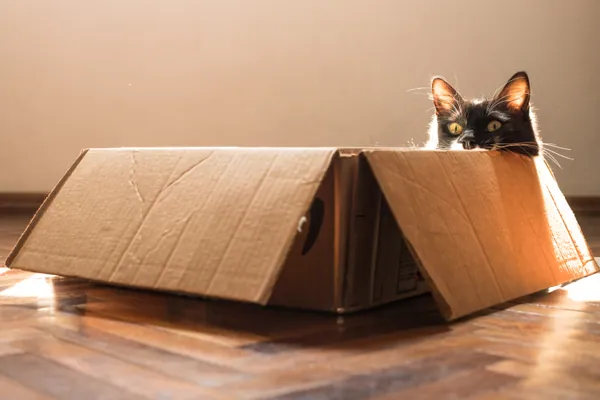
Photo by Luku Muffin on Unsplash
Anyone with a cat (or internet access) has likely observed their tendency to seek out and sit in boxes, bags, baskets, and even a simple square drawn on the ground, as demonstrated by Twitter’s #CatSquare trend.
A team of psychologists decided to use this feline behavior to investigate whether cats are susceptible to a well-known visual illusion: the Kanizsa square. A Kanizsa square is made of four small solid-colored circles, each with a right angle cut out so that only ¾ of the circle remains. These circles are arranged in a large square shape and rotated so that the missing parts face inwards, creating the illusion of an actual square sitting above them.
A 1988 study provided some evidence that cats perceive the Kanizsa square the same way that humans do, but that study only included two cats trained in a lab. Scientists behind a recent study, published in Applied Animal Behaviour Science, wanted to test a wider range of cats and capture their natural behavior at home. To do this, they turned to social media to recruit participants.
They asked cat owners to cut out three different stimuli: a real square, a Kanizsa square, and a rotated Kanizsa in which the circles were turned outwards, causing the illusion to fail. Each day, the cat owners placed two of these stimuli on the floor and then watched their cat for five minutes.
Thirty cats were tested over six days, and among them, they sat within the real square eight times, the Kanizsa square seven times, and in the rotated Kanizsa only once. In the trials where the cats had a choice between the real square and the Kanizsa square, they showed no preference between them. This indicates that cats may perceive illusory squares to be as valid, and as comforting, as real squares.
So, in addition to showing that cats really do like sitting in two-dimensional squares, the researchers also demonstrated that cats perceive some of the same visual illusions that humans do. Despite the many differences in the eyes and brains of humans and cats, we may see and interpret our environment in strikingly similar ways.
Unequal access to healthcare amplifies the disparity
Ecology & Evolutionary Biology
University of Florida

adapted from markzvo / Wikimedia
Throughout the United States, many people are living and working in close proximity to Superfund sites — areas contaminated with leaked, dumped, or poorly managed hazardous waste. Superfund sites are often laden with heavy metals, asbestos, pesticides, and radioactive compounds, and the cleanup process for these contaminants can take many years.
Recently, a team researchers from the University of Houston and the University of Texas investigated how living near a Superfund site relates to life expectancy. In their study, which was published in Nature Communications, the researchers compared the life expectancies of people living in census tracts with a Superfund site to those living in neighboring tracts. (US census tracts contain approximately 4,000 people.) In addition to the more than 1,300 listed Superfund sites in the US, this study also included an additional 11,700 contaminated sites that are not currently on the Environmental Protection Agency’s National Priorities List.
They found that people living close to hazardous waste sites tend to have shorter life expectancies than those living further away. And life expectancies decreased even more for people near contaminated sites that were not being actively cleaned up, as well as for those living in flood-prone areas.
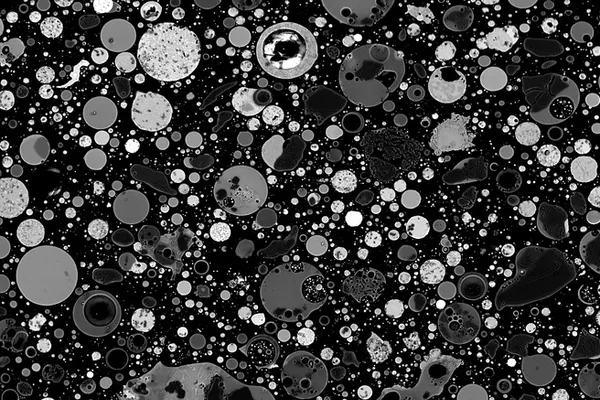
But these effects were not distributed equally for all people. The study found a clear negative relationship between contaminated sites and life expectancy in low-income census tracts, but not in higher-income areas. Wealthier residents may be able to avoid the risks of living near hazardous waste by paying for expensive health care and well-protected houses. Similarly, areas where most residents had health insurance showed little relationship between contamination and life expectancy.
While living near hazardous waste is likely to be dangerous for anyone, these risks seem to be magnified for the most socioeconomically disadvantaged residents. And to make matters worse, hazardous waste sites have disproportionately been built in low-income and racially marginalized communities. Hopefully the ongoing and future cleanup of these sites will lessen these disparities.
White-nose syndrome thrives in the warm roosts that bats prefer to sleep in
Ecology & Evolutionary Biology
University of Florida
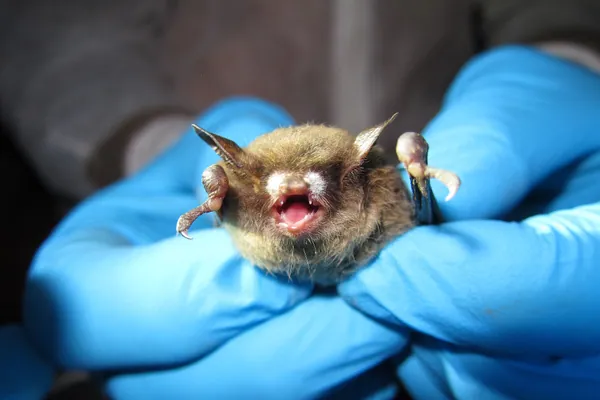
USFWS via Wikimedia
For years, bats in North America have been plagued by a deadly fungal disease called white-nose syndrome. Despite measures to stop its spread, this fungus has swept across the continent, and scientists are monitoring the surviving bat populations to see if they are better equipped to avoid getting sick in the future. Unfortunately, North American bats may be stuck in an "ecological trap" that keeps them returning to the very habitats where the fungus grows best.
According to a recent study in the journal Nature Communications, little brown bats (Myotis lucifugus) in Michigan and Wisconsin choose to hibernate in roosts that stay above 8°C even when colder roosts are available. This is important because the fungal pathogen that causes white-nose syndrome grows best at 12-16°C, so hibernating in colder caves would protect bats from this deadly disease.
Conservation biologists expected that when white-nose syndrome tore through these populations, the warm-loving bats would die off, leaving only cold-loving survivors behind. And, as bats are known to be fast learners, they could potentially learn to avoid warm roosts in order to stay alive.
However, when the researchers compared the habitat preferences of bat populations before and after the fungus arrived, they only found a minor shift in preference towards colder roosts. The researchers concluded that these little brown bats are not likely to either evolve or learn warmer roosting preferences quickly enough to protect them from the disease. Considering that these bats have evolved for millennia with the risk of wintertime freezing, it makes sense that their desire to seek out warm roosts is difficult to overcome.
While it may not be possible to change the bats’ behavior, it is possible to conserve natural roosting sites that are cold enough to protect them and to restore human-altered sites like mines and tunnels by removing the artificial barriers that insulate them. These conservation measures will be increasingly important as both habitat degradation and climate change continue to worsen.
To look back into shark evolutionary history, paleontologists analyzed the fossilized teeth of these ancient predators
Ecology & Evolutionary Biology
University of Florida
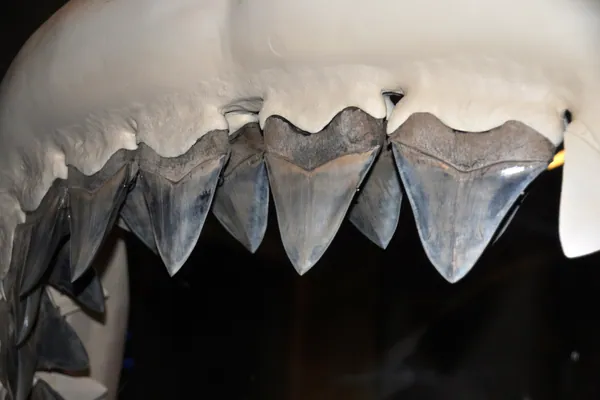
Via Wikimedia
For around 20 million years, gigantic sharks called megalodons roamed the oceans across the globe, eating whales, porpoises, and even other sharks. But while megalodons are known for being the prehistoric ocean's apex predator as adults, they first had to survive their vulnerable juvenile stage. A recent study suggests that young megalodons spent their early years in relatively safe and secluded coastal regions known as shark nurseries. According to the study authors, these nurseries may have played a key role in shark evolution.
Paleontologists compared the size of megalodon teeth from eight sites known as well as one newly discovered fossil-rich site in Spain. Of these locations, five were determined to be likely megalodon nurseries due to the prevalence of newborn and juvenile-sized teeth in comparison to the number of adult teeth. These five nurseries varied dramatically in age, with some dating back nearly 16 million years, while others were only three to four million years old. The researchers concluded that the megalodons’ reliance on nurseries must have been a stable characteristic throughout their long existence on earth.
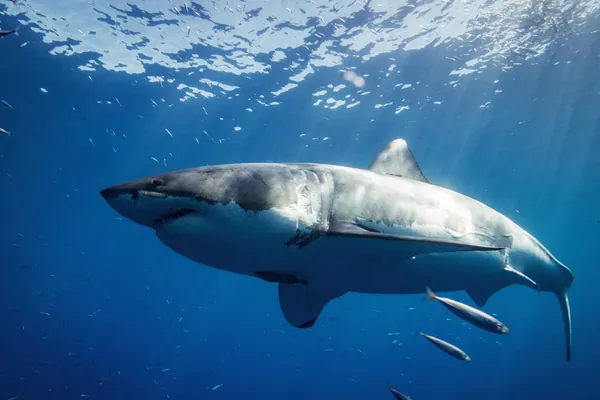
As with many modern-day sharks, megalodons likely benefitted from nurseries due to their extremely slow rate of development. Some paleontologists estimate that they may have taken over 25 years for megalodons to reach their final adult size. If juveniles lacked a safe place to live, they could easily have been eaten by the same animals that their larger relatives considered prey.
The discovery of these megalodon nurseries suggests that this strategy for juvenile protection may have been one reason why this species survived for so many millions of years. On the flip side, the widespread loss of coastal habitats due to climatic changes likely caused a spike in mortality of juvenile megalodons and may have been a critical factor driving the extinction of this iconic species.
Scientists and activists share the beauty of these misunderstood species
Ecology & Evolutionary Biology
University of Florida
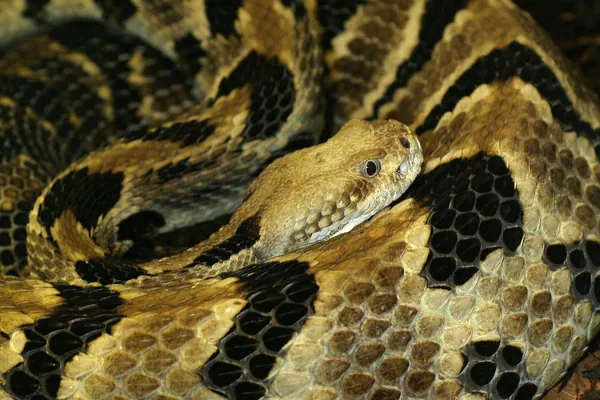
Tad Arensmeier, Wikimedia CC 2.0
On July 16, snake lovers and snake biologists around the globe celebrated World Snake Day and used the occasion to draw attention to pressing global threats to snake conservation. Some activists even spent the entire month of July honoring one particularly maligned and misunderstood group of reptiles: the rattlesnakes.
Rattlesnakes have long been feared and hated by many people who live near them. While it is healthy to stay alert around venomous snakes, many people use their fear as justification to indiscriminately kill any snakes they encounter. The extreme version of this behavior is on full display at annual “rattlesnake roundups”, where snakes are often slaughtered by the hundreds or even thousands. Conservation organizations such as the Rattlesnake Conservancy have been working with communities to replace roundups with wildlife appreciation festivals, but this can be slow and difficult work.
Recently, photography has been used as a medium through which to raise awareness about rattlesnake conservation and welfare issues as well as to promote a greater appreciation of these unique animals. Jo-Anne McArthur’s photograph “The Wall of Shame”, highly commended by the Natural History Museum of London’s 2019 photography competition, unflinchingly depicts the gruesome reality of a major Texas roundup.
And to show off the prettier side of this story, Emily Taylor and other snake biologists dedicated July 2020 to a #RattlesnakeBeautyPageant, in which they posted gorgeous photographs of rattlesnakes on Twitter. Some of these pictures even made it into a calendar that supports the non-profit Advocates for Snake Preservation (ASP), which educates people about local snake species and reduces killings by relocating animals that have made their way into backyards.
Whether or not you already love rattlesnakes, these pictures can make you reflect on your relationship with wildlife, and hopefully, inspire you to appreciate the underappreciated organisms living all around us.
A previous version of this article incorrectly reported the beneficiary of the rattlesnake calendar. --BGB (Editor)
Artificial lighting makes it harder for bioluminescent insects to find mates
Ecology & Evolutionary Biology
University of Florida
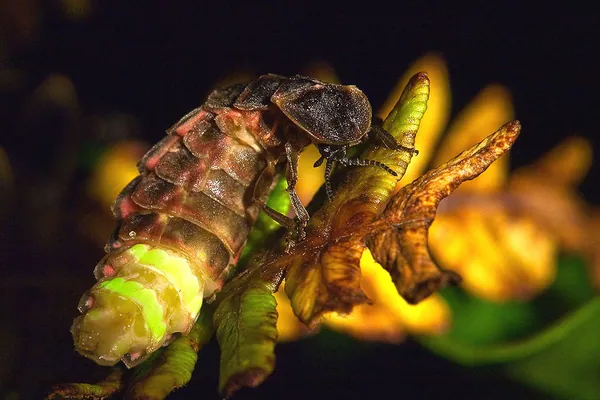
Wikimedia
Human activities like deforestation and fossil fuel use are major drivers of biodiversity loss. But what about seemingly innocuous activities like turning the lights on at night? While most people who live in cities or suburbs are used to the effects of artificial lights, many wild animals that live alongside us are not so good at coping with this widespread form of pollution.
Ecologists in Finland recently published a study on the effects of artificial lights on mate attraction in a bioluminescent beetle species called the common glow-worm of Europe (Lampyris noctiluca). Female glow-worms use their bioluminescent abdomen to attract male mates, but this reproductive strategy only works at night, when the glowing signal is readily apparent. Artificial lights are making the night-time landscape much less dark in many places, which could reduce the glow-worms’ ability to find mates.
To test the effects of artificial lights on mate attraction, the researchers made fake female glow-worms and set up traps to capture any males that came in contact with them. Very few males approached female glow-worms that were just one meter from away from an artificial light, while they easily found the females that were over two meters away. So, mate attraction in these insects is seriously disrupted by artificial lights, but females might be able to compensate if they move further away from the light.
Unfortunately, the researchers ran another experiment and found that in the presence of an artificial light, female glow-worms are likely to not signal at all, or even hide, rather than to move further away. This unhelpful behavior is quite understandable considering that for most of the evolutionary history of these insects, artificial lighting did not exist.
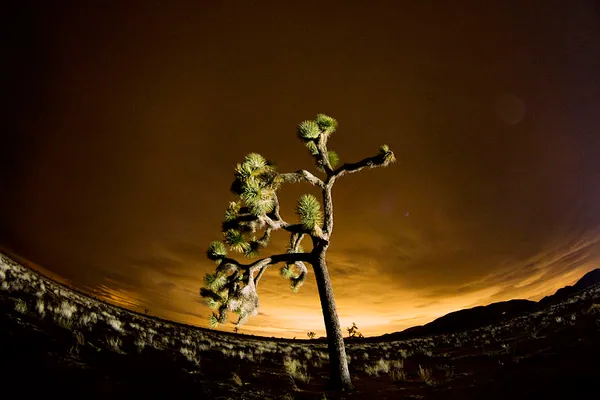
The results of these experiments clearly demonstrate how detrimental night-time lighting can be for wild animals, especially nocturnal animals that use visual forms of communication such as bioluminescence. And beyond these worms, artificial lights have also contributed to global firefly declines as well as the declines of many non-bioluminescent insects, such as moths, crickets, and mayflies.
This remarkable behavior was discovered during routine observations of bee behavior
Ecology & Evolutionary Biology
University of Florida
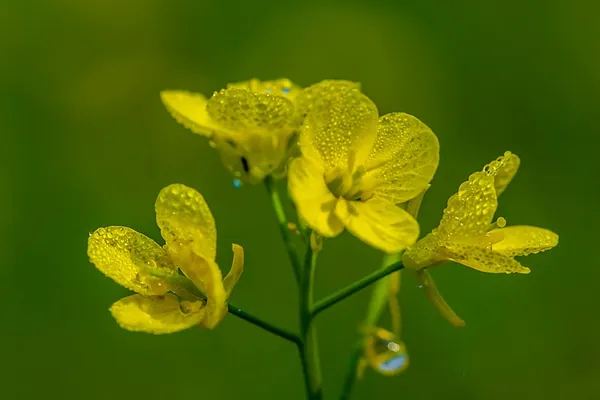
Jubair1985 on Wikimedia Commons
For anyone who recently celebrated World Bee Day, it should come as no surprise that these amazing animals are being studied for yet another mysterious and complex behavior. This new behavior, however, stands out not only for its novelty, but also for its important implications for the future of insect pollinators.
Due to climate change, many plants and animals have shifted their annual timing of reproductive and developmental milestones, such as the production of flowers in plants. Mutualistic relationships, including those between pollinators and plants, are in danger of breaking down unless these shifts can be coordinated across species.
Researchers at ETH Zurich in Switzerland noticed that bumble bees cut holes in the leaves of their host plants, and they wondered if this behavior could be a mechanism for triggering earlier flowering, thus syncing up flower production to the bumble bees’ needs. The researchers performed a series of experiments in which they gave bumble bees access to plants and recorded both the bee behavior and the plant flowering dates. They found that bees most often made the characteristic cuts in the leaves of plants that lacked flowers, and they were more likely to make these cuts if they were hungry rather than well-fed. Furthermore, plants that had their leaves cut by bees started flowering earlier than those that were left undamaged.
These results, which were recently published in Science, imply that bumble bees use this unique leaf-cutting behavior to induce earlier flowering in the plants they pollinate, and thus gain access to critical food resources when they need them. The mechanism underlying the early flowering response in the plants is unknown, but it may be beneficial if it allows plants to maximize pollination through optimal timing of flower production.
While it is unclear how widespread this behavior is, it poses exciting new explanations for how pollinators and flowering plants synchronize their life cycles, which may be critical for their survival in our rapidly changing climate.

Non-native plants are one of many factors driving global declines in insect populations – but you can help

A new study found that larger animals were less commonly found on cannabis farms as outside them
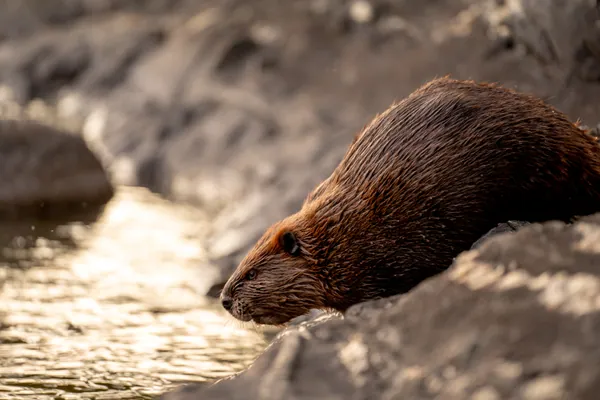
Ecosystem engineers like beavers and tortoises help restore water cycles and tree cover to degraded habitats
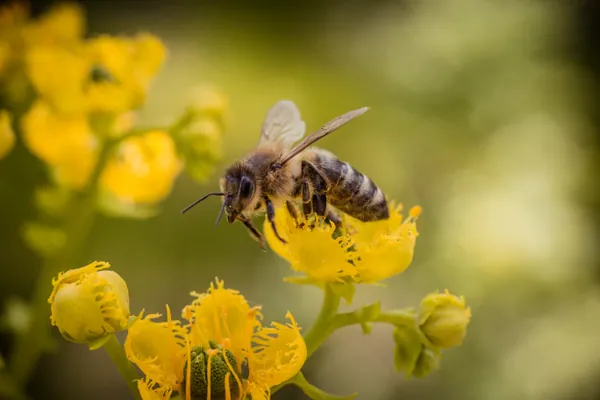
Nectar-robbing by bees leads to fewer visits by other pollinating insects, impacting flower reproductive success