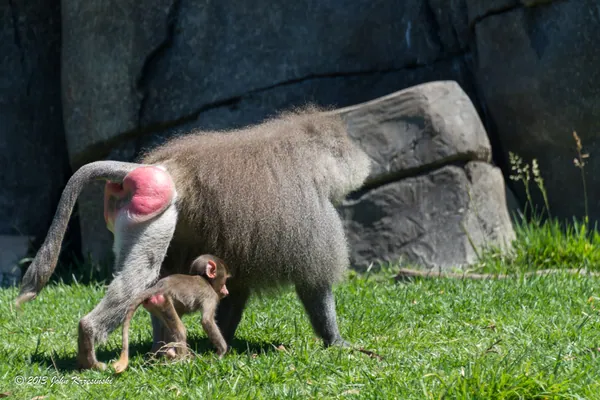
Which came first, the butt or the mouth? New research gives an answer
Read now →It's a chicken-and-the-egg question, but "which came first?" might not be the right way to think about it
It's a chicken-and-the-egg question, but "which came first?" might not be the right way to think about it
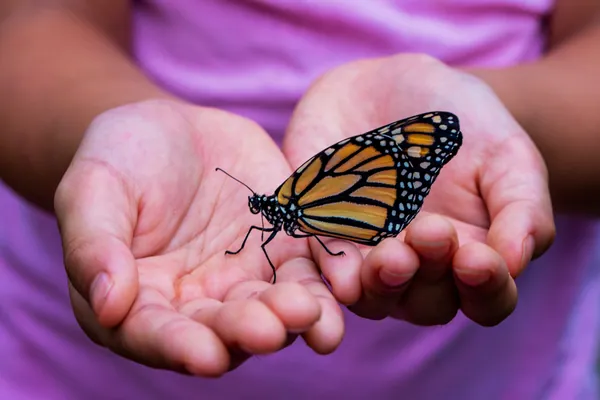
Recent scientific evidence shows that conservation programs could harm monarch populations if done at large scales

Computer programs used in 46 states incorrectly label Black defendants as “high-risk” at twice the rate as white defendants

SVOCs are found in plastics, flooring, furniture, and more
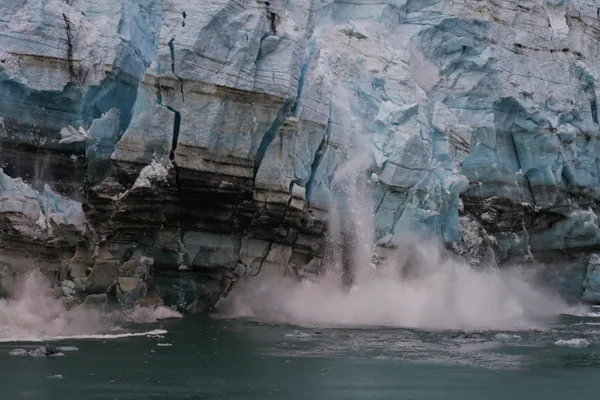
The ocean is acidifying, Western Europe will chill, crops will fail, and that's just the start
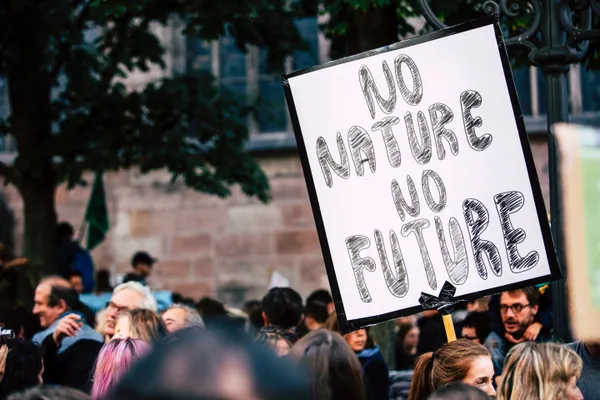
An interview with "Synthetic Messengers" creators Tega Brain, Simon David Hirsbrunner, and Sam Lavigne
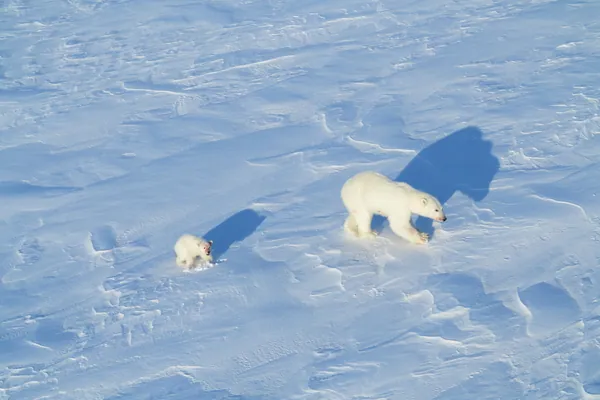
Thick Arctic ice is melting into conditions better suited to life. But the region's warming is trending towards trouble
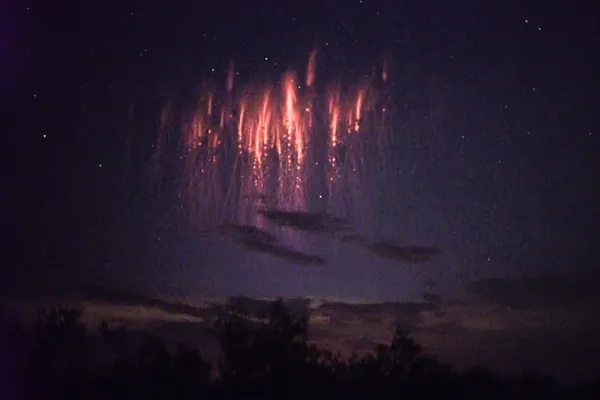
"Sprites" can lead to new insights about lightning storm dynamics
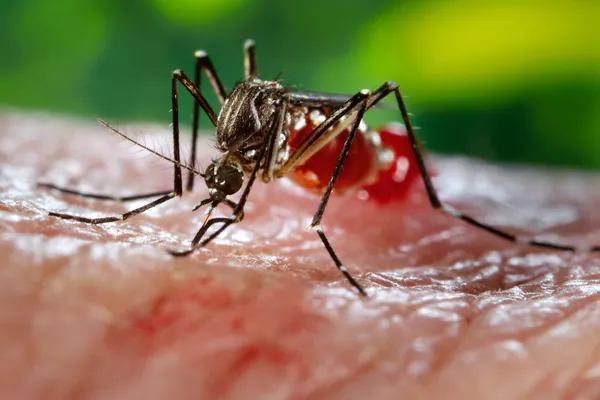
Texas and the Florida Keys will see the release of GM insects in a plan to reduce disease transmission
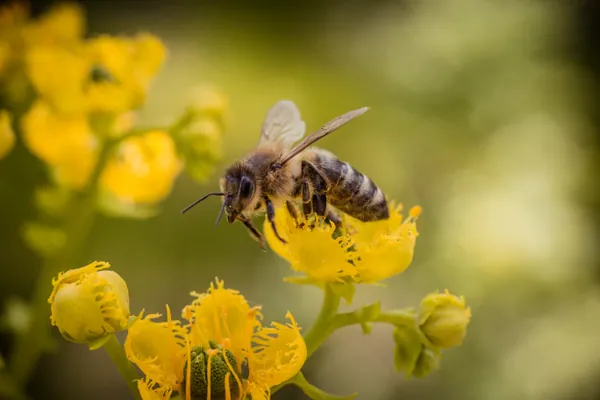
Nectar-robbing by bees leads to fewer visits by other pollinating insects, impacting flower reproductive success
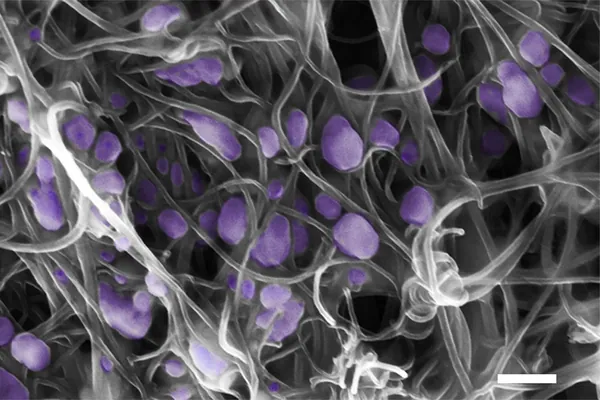
Laser beams vibrate proteins in unique ways
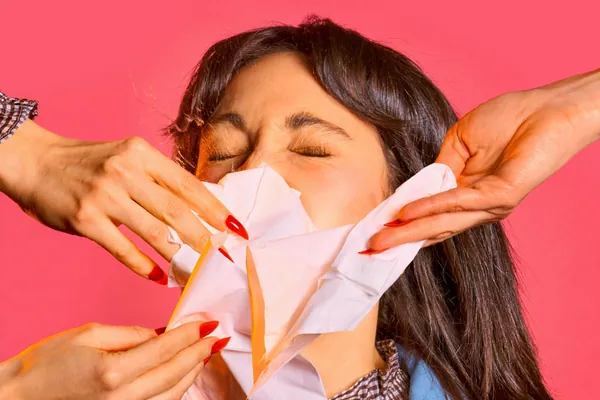
Data from 17 Northern Hemisphere locations indicates that plants are releasing more pollen and for a longer period of time as the globe warms
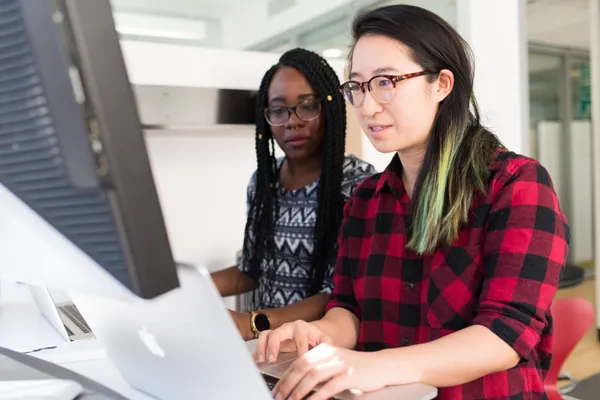
New research contradicts long held assumptions about coding
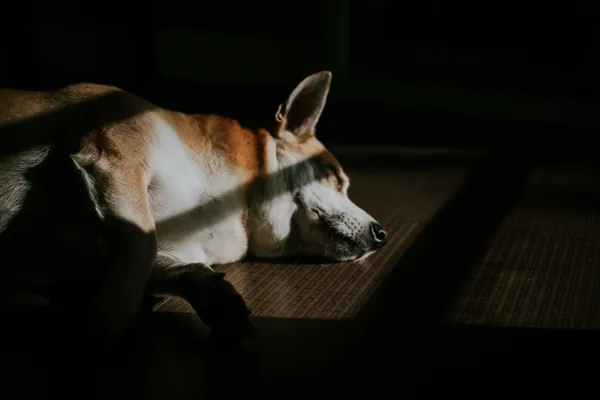
Springing forward for daylight saving time means less blue light, but also light contrasts
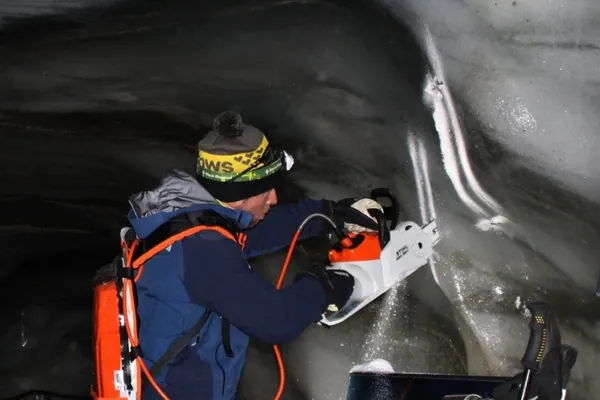
The layers that are so useful in dating the glaciers are disappearing because of climate change, so scientists are finding new ways to date glaciers
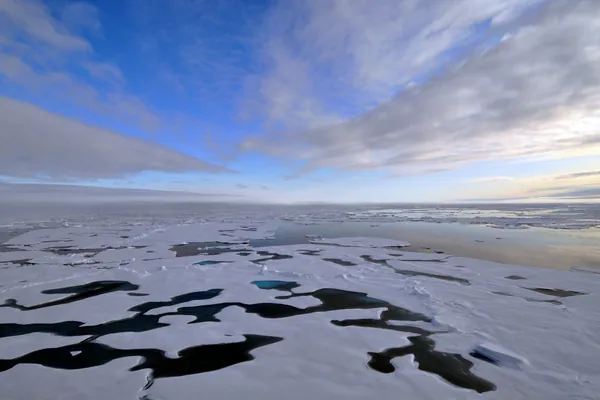
With warming temperatures, microscopic plankton are creating big clouds that could further affect Arctic temperatures
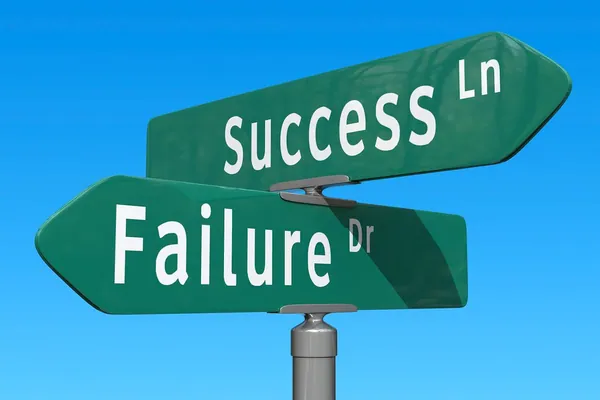
A chance reading and a fortuitous overlap between Alzheimer's and multiple myeloma biology gave a failed drug new life
A fancy new satellite? A particle accelerator? Not required
Hours spent catching 'em all primes the brain to recognize familiar, pixelated Pikachus
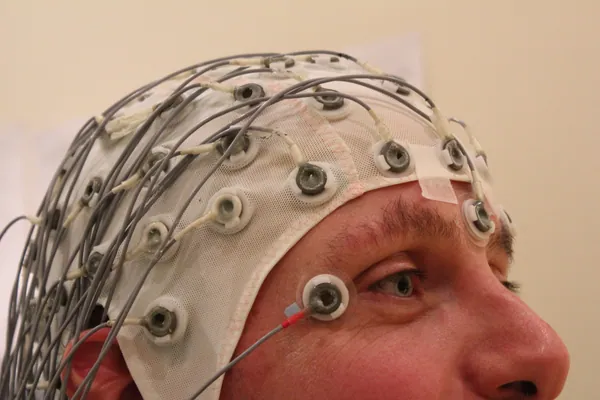
It's not sci-fi, it's not mind control, but a real world attempt at telepathy

Messing with our gut microbiome could hurt us
Rachel Love Nuwer explains how and why illegal trade threatens to wipe some of our planet's most charismatic animals off the map forever
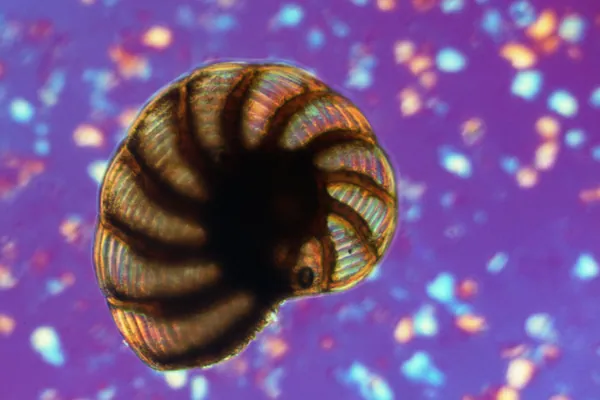
Scientists have discovered a new way to use single-celled plankton to estimate large-scale changes in ocean chemistry
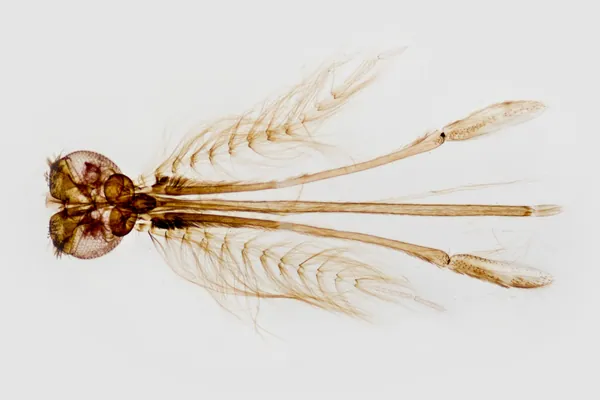
The mistake mosquitos made? Leaving their spit behind
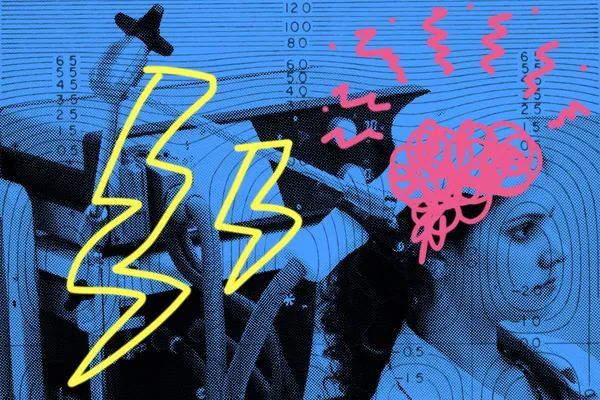
We can only transmit basic signals between brains, but we should consider the ethics before moving on to complex thoughts
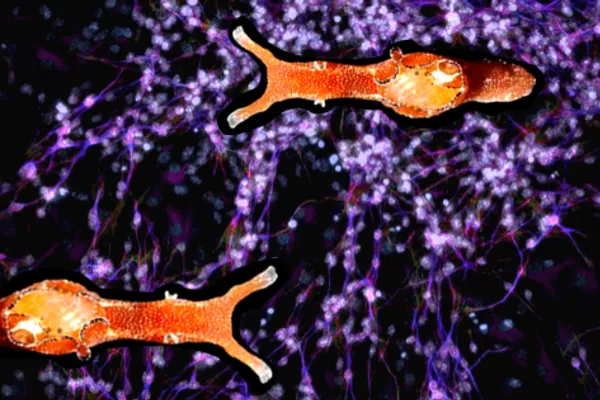
Can slugs teach us about human memory?

Ice cores, used to study ancient climates, also contain the history of the Roman Empire
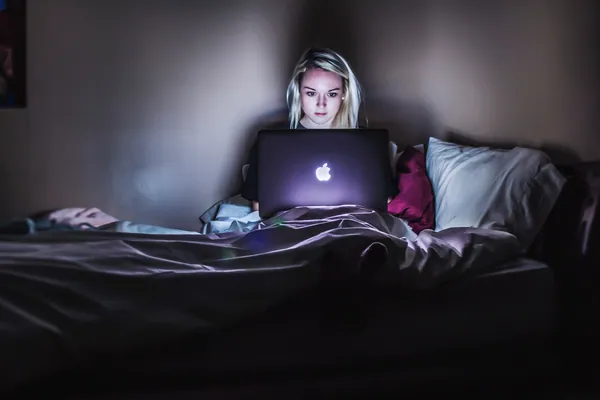
New research suggests bad sleep causes a build-up of plaque associated with Alzheimer's
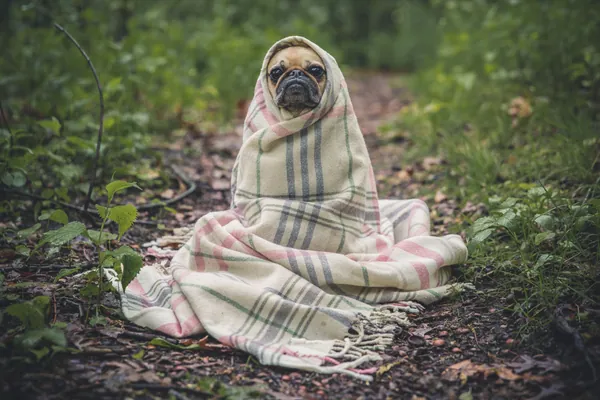
How our inner clocks effect aggression
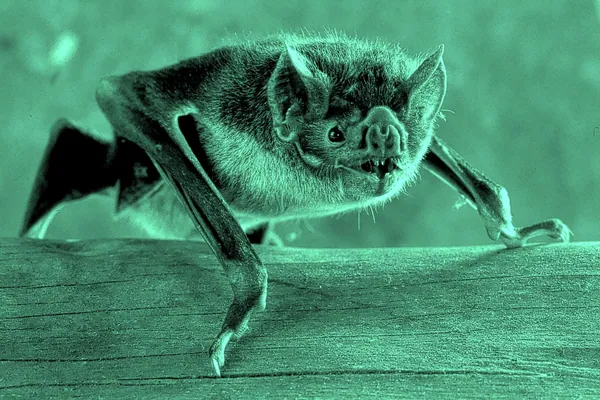
Biodiversity keeps rabid vampire bats feeding on their natural prey – not on us
New research suggests an old idea of geoengineering has more merit than long suspected
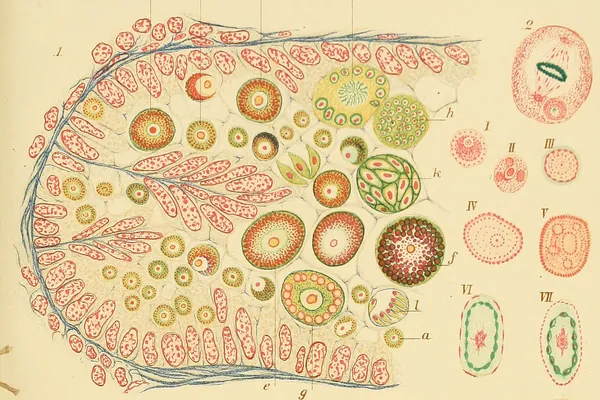
New research shows that stressed med students on probiotics got better shut-eye

The west's dramatic coastlines have masked rising tides, but that doesn’t mean the future is dry
It sounds like an arcane superpower. It boils down to random mutation and selection
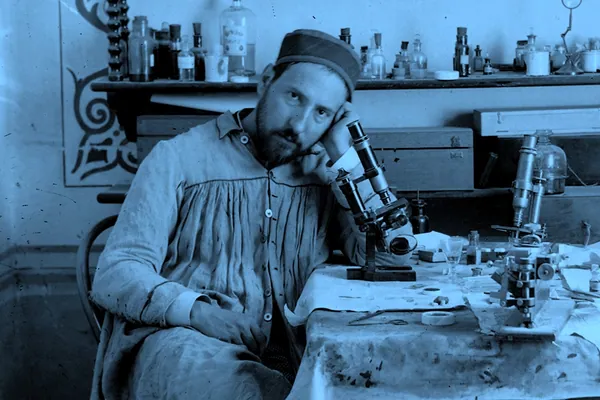
"Perhaps only an artist's eye could have seen so much in a slice of brain"
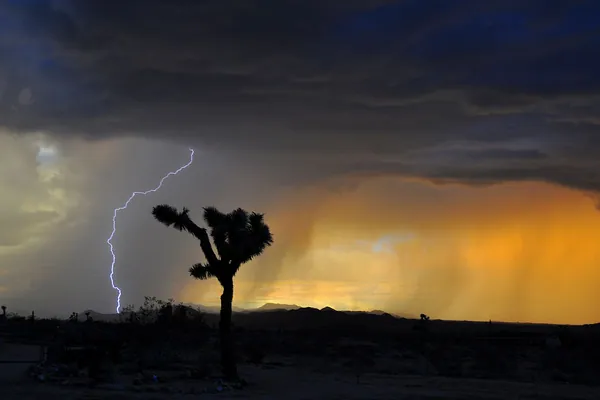
The truth is a needle in an ever-growing haystack. Scientists need better statistical education to find it
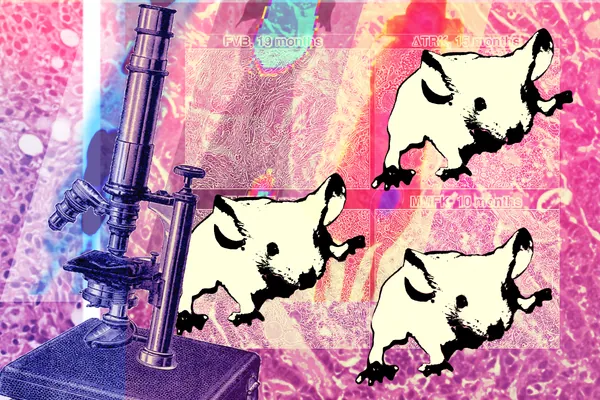
Even in the lab, it's not easy to control every part of the process
Oceanography
University of Washington
Neuroscience
University of Washington
Quantum Physics
University of Washington
Pollinator Ecology
University of Washington

Neuroscience
University of Washington
Environmental Health
University of Washington
Neuroscience
University of Washington
Do you represent this institution? We'd love to work with you!
Contact us to discuss partnership and training for your researchers!